Home >> News >> Industry News
Press Release · eVTOL & Advanced Air Mobility
As the global low-altitude economy continues to evolve, electric vertical take-off and landing aircraft (eVTOLs) and advanced air mobility platforms are attracting increasing attention from aerospace companies, investors, and transportation providers worldwide.
Leading developers including Joby Aviation, Archer Aviation, and EHang are advancing next-generation electric aircraft technologies aimed at improving urban mobility, reducing emissions, and enhancing transportation efficiency. As these innovations move closer to commercial deployment, industry attention is expanding beyond propulsion systems and batteries to include critical supporting technologies such as thermal management and fire protection.
As a supplier of advanced aerogel insulation solutions, Shanghai Airgeltech Co., Ltd. believes the continued development of electric aviation may create significant opportunities for high-performance thermal insulation materials.
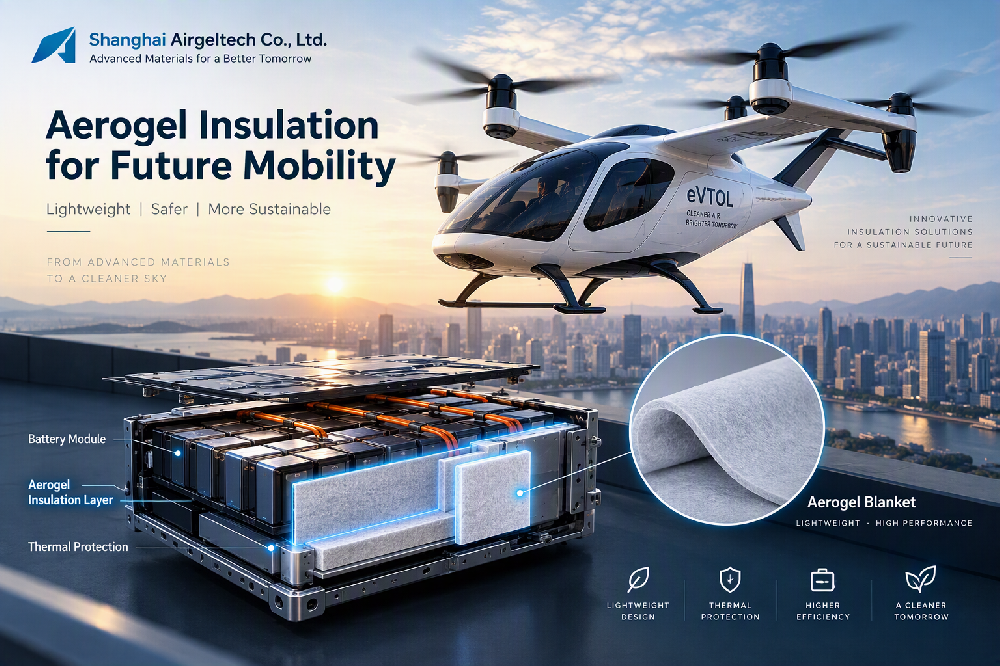
Over the past decade, electric mobility has transformed the automotive industry and accelerated the adoption of advanced battery technologies. Today, similar trends are beginning to reshape the aviation sector.
Unlike conventional ground vehicles, eVTOL aircraft operate under extremely demanding conditions where weight, energy efficiency, thermal stability, and safety must be carefully balanced. Battery systems, electric motors, power electronics, and onboard energy management systems generate substantial heat during operation. Effective thermal control is essential to maintaining performance and supporting long-term operational reliability.
As the electric aviation industry continues to mature, manufacturers are increasingly seeking materials that can:
These requirements are creating growing interest in advanced thermal insulation technologies.
The advanced air mobility sector has experienced rapid growth in recent years. Companies such as Joby Aviation, Archer Aviation, and EHang have become recognized leaders in the eVTOL industry, while governments and aviation regulators continue to explore certification pathways and future operational frameworks for emerging air mobility systems.
Market analysts expect urban air mobility, electric aviation, and low-altitude transportation systems to remain key areas of technological development in the coming decade.
As investment and innovation continue to expand across the sector, demand for supporting technologies—including thermal management solutions—is also expected to increase.
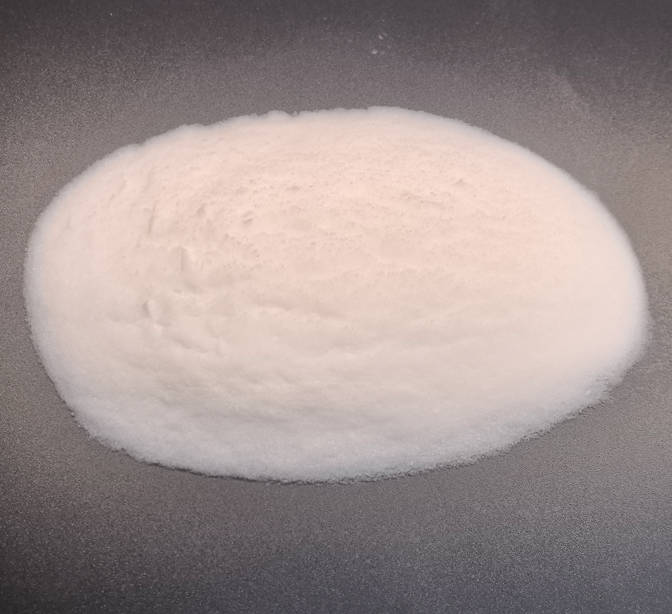
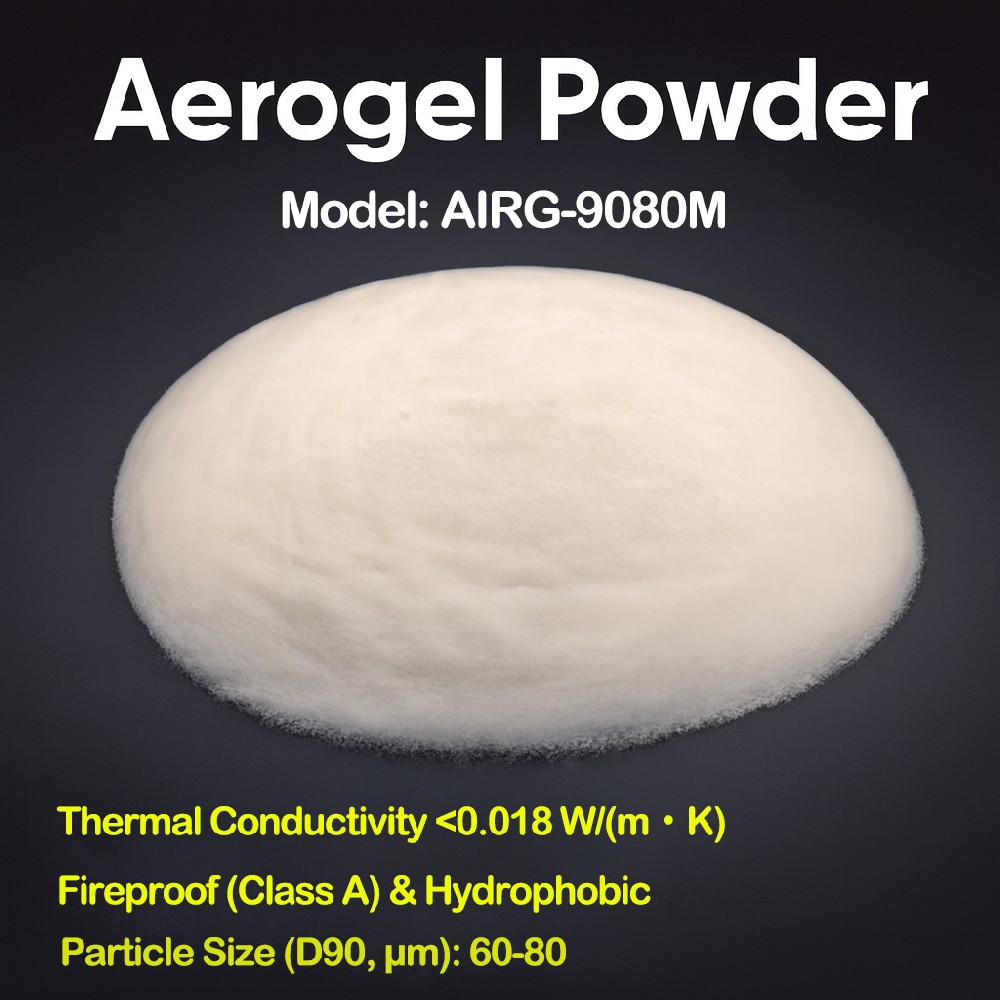
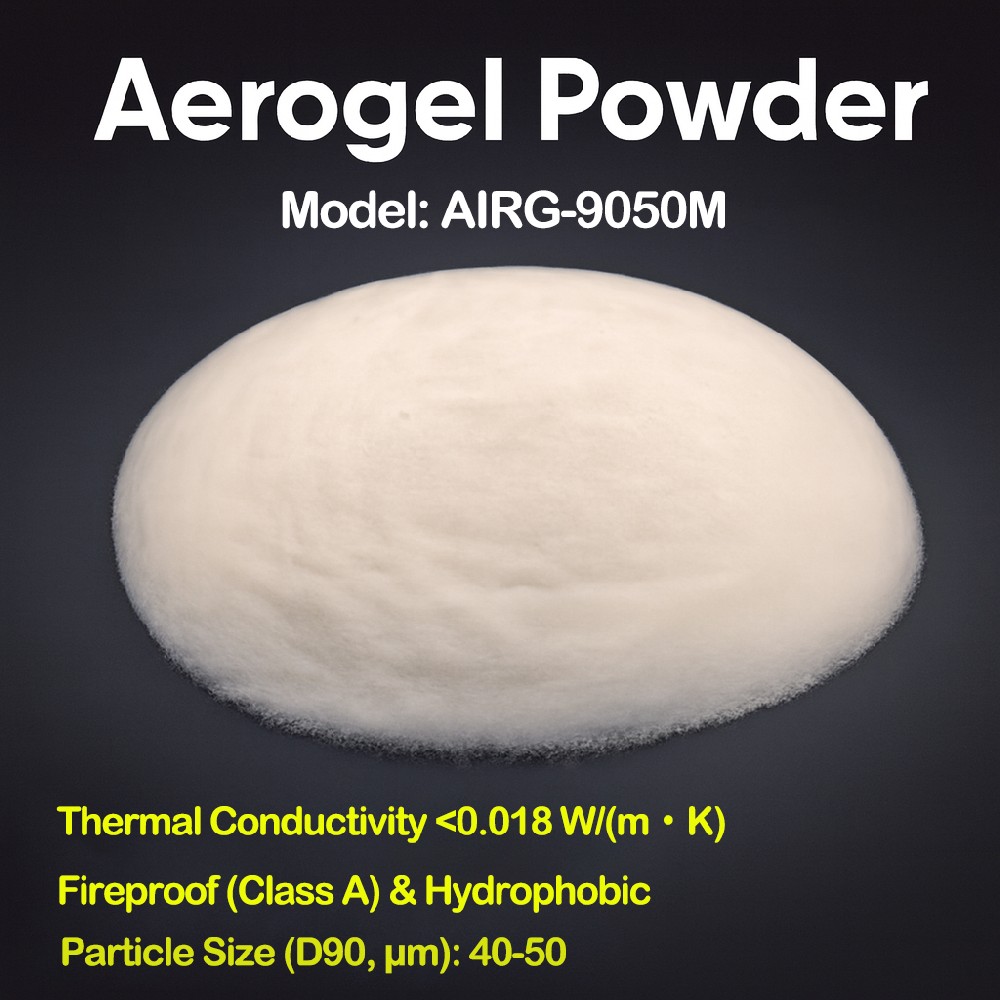
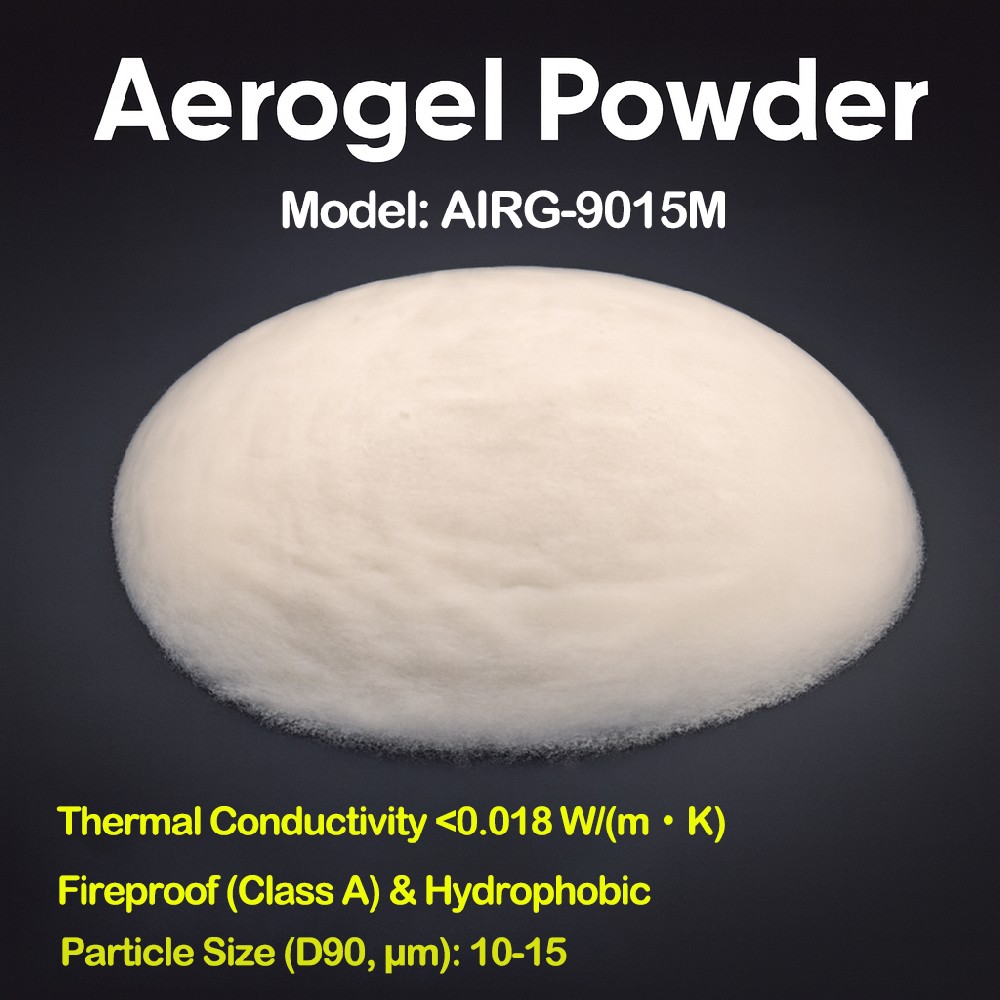
Aerogel materials are widely recognized for their combination of ultra-low thermal conductivity, lightweight structure, and thermal barrier performance. Due to their nanoporous composition, aerogels contain a high percentage of trapped air while maintaining excellent insulation characteristics.
High-performance aerogel insulation materials can achieve thermal conductivity values as low as:
0.018 W/m·K
among the most efficient thermal insulation materials currently available for industrial applications
Compared with many conventional insulation materials, aerogel-based solutions can offer:
These characteristics make aerogel an attractive option for industries where both thermal performance and weight reduction are important considerations.
As battery technology continues to evolve, thermal safety remains an important engineering priority. Aerogel insulation has already demonstrated value in industrial thermal management, LNG systems, cryogenic insulation, and battery protection applications.
Looking ahead, advanced aerogel materials could potentially support thermal management requirements in areas such as:
While commercial applications in electric aviation are still developing, the material performance characteristics of aerogel align closely with many emerging industry requirements.
“The future of electric aviation will depend on advances across multiple technologies, not only batteries and propulsion systems but also thermal management solutions. Aerogel insulation has already proven effective in industrial, cryogenic, and battery protection applications. As eVTOL aircraft continue to progress toward broader commercialization, we believe lightweight thermal insulation technologies may play an increasingly important role in supporting safety and energy efficiency.”
— Spokesperson, Shanghai Airgeltech Co., Ltd.
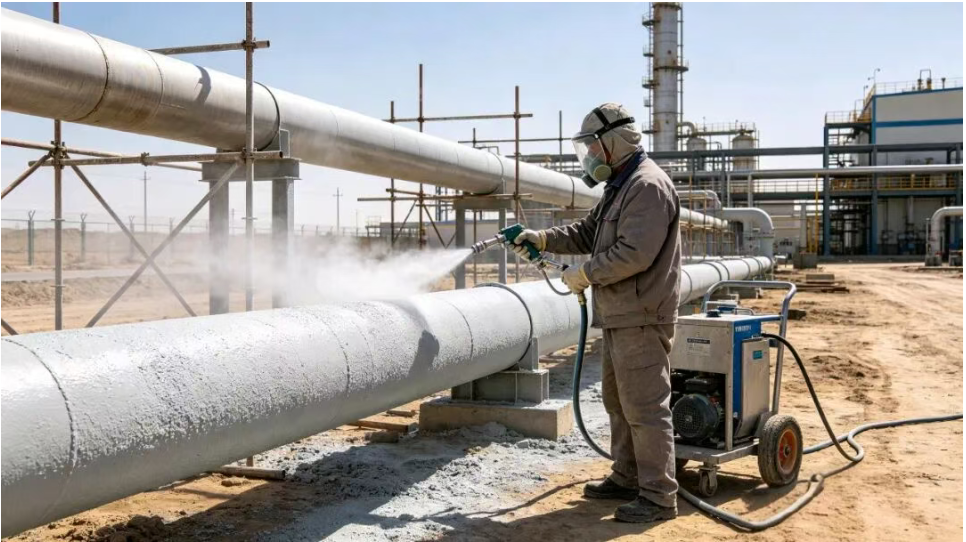
Historically, aerogel insulation has been widely applied in LNG and cryogenic projects, petrochemical facilities, industrial thermal insulation systems, energy infrastructure, and battery thermal management applications.
As transportation technologies continue to evolve, new opportunities may emerge in sectors requiring advanced lightweight thermal protection solutions. For aerogel manufacturers, this represents the potential expansion of insulation technologies beyond traditional industrial markets and into future mobility applications.
Shanghai Airgeltech Co., Ltd. remains committed to the development and global supply of advanced aerogel insulation products for demanding thermal management applications. The company currently provides aerogel-based insulation solutions for customers involved in LNG and cryogenic systems, industrial thermal insulation projects, energy infrastructure, battery protection systems, and high-performance engineering applications.
As emerging technologies continue to evolve, Shanghai Airgeltech Co., Ltd. will continue monitoring developments across electric aviation, energy storage, and advanced mobility sectors while pursuing innovative opportunities for aerogel insulation solutions.
What is aerogel insulation?
Aerogel insulation is a lightweight, nanoporous insulation material known for its exceptionally low thermal conductivity and excellent thermal resistance.
Why is aerogel considered a high-performance insulation material?
Because aerogel combines ultra-low thermal conductivity, fire resistance, lightweight construction, and long-term thermal stability within a relatively thin insulation layer.
Can aerogel improve battery safety?
Aerogel can help delay heat transfer and thermal propagation, making it a valuable material in thermal management and battery protection systems.
Is aerogel suitable for cryogenic applications?
Yes. Aerogel insulation is widely used in LNG and other cryogenic environments due to its excellent low-temperature performance.
Could aerogel be used in future electric aircraft?
As electric aviation technologies develop, aerogel's lightweight structure and thermal performance may make it suitable for future aerospace and advanced mobility applications.
Shanghai Airgeltech Co., Ltd. specializes in the development, production, and global supply of advanced aerogel insulation materials and thermal management solutions. Through continuous innovation and a commitment to energy efficiency, the company provides customers worldwide with reliable aerogel insulation solutions designed to meet demanding thermal management requirements.
Shanghai Airgeltech Co., Ltd.
Website: www.airgeltech.com
Email: info@airgeltech.com
Products: Aerogel Blanket | Aerogel Felt | Cryogenic Insulation Systems | Thermal Management Solutions