Reduce corrosion under insulation (CUI) risk and maintain stable thermal performance in industrial pipeline systems exposed to high temperature, moisture, and fluctuating operating conditions.
Industrial pipelines often operate under high temperature, high humidity, condensation, and intermittent process cycles. Conventional insulation materials can absorb moisture over time, leading to insulation performance loss, higher corrosion under insulation (CUI) risk, increased maintenance cost, and reduced long-term system reliability.
Aerogel insulation materials provide a more reliable solution for these demanding environments. They help reduce heat loss, limit moisture intrusion, maintain stable thermal performance over time, and support lower lifecycle maintenance requirements.
We supply aerogel insulation materials and provide engineering support based on service temperature, insulation thickness requirements, moisture exposure, and pipeline operating conditions.
Installation is carried out by your engineering team or insulation contractor. We do not provide on-site construction services.
Use this matrix as a quick reference when comparing service temperature, insulation priorities, and typical aerogel product directions across different application scenarios.
Core material characteristics relevant to industrial pipeline insulation systems operating in high-temperature and moisture-prone environments.
| Parameter | Value | Why It Matters |
|---|---|---|
| Thermal Conductivity | 0.020 W/m·K (@25°C) | Helps reduce heat loss and maintain efficient thermal insulation performance |
| Service Temperature | -50°C to 650°C | Suitable for a wide range of industrial pipeline operating conditions |
| Hydrophobicity | >99.9% | Helps reduce moisture intrusion and associated insulation degradation |
| Fire Rating | A1 Non-combustible | Supports fire safety requirements in industrial insulation systems |
| Thickness Options | 10mm / 20mm | Supports insulation design based on temperature, space limits, and project conditions |
Designed to reduce heat loss, minimize moisture-related performance loss, and support long-term insulation reliability in harsh industrial environments.
Common operating conditions where aerogel pipeline insulation is typically evaluated.
Example pipeline situations where aerogel insulation materials are commonly considered.
Main engineering and maintenance benefits relevant to industrial pipeline insulation systems.
| Benefit | Description |
|---|---|
| Stable thermal performance | Helps maintain insulation efficiency under high temperature and moisture exposure |
| Reduced CUI risk | Hydrophobic material structure helps minimize moisture accumulation in the insulation layer |
| Flexible installation | Can be applied to pipes, elbows, valves, and other complex pipeline geometries |
| Improved system reliability | Supports more consistent insulation performance over long-term operation |
| Lower maintenance cost | Can help reduce replacement frequency, inspection burden, and downtime-related maintenance cost |
For industrial pipeline insulation systems, aerogel blanket is typically used as the primary insulation layer, while aerogel coating can be used for selected complex or hard-to-wrap areas depending on project design.
Purpose-built for industrial pipeline insulation applications exposed to elevated temperature, moisture, and harsh operating conditions.
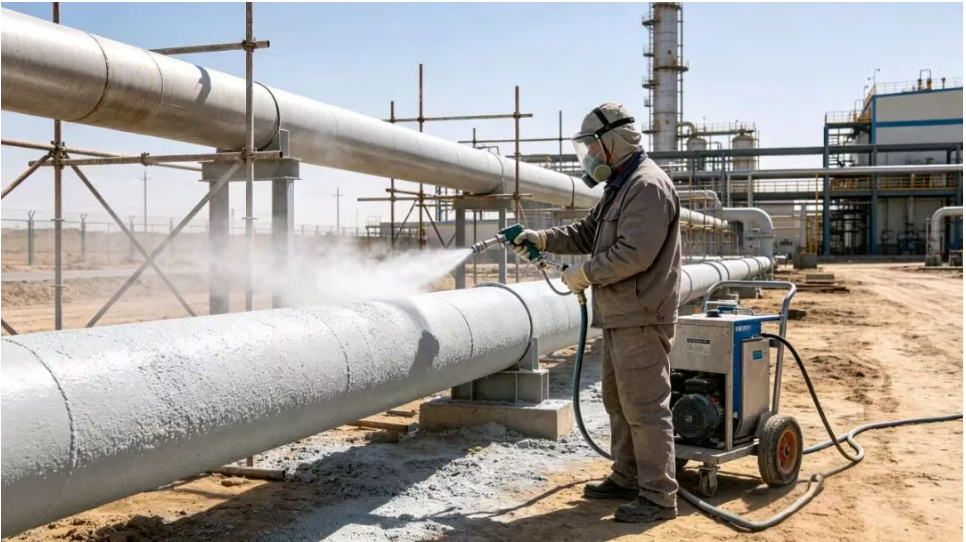
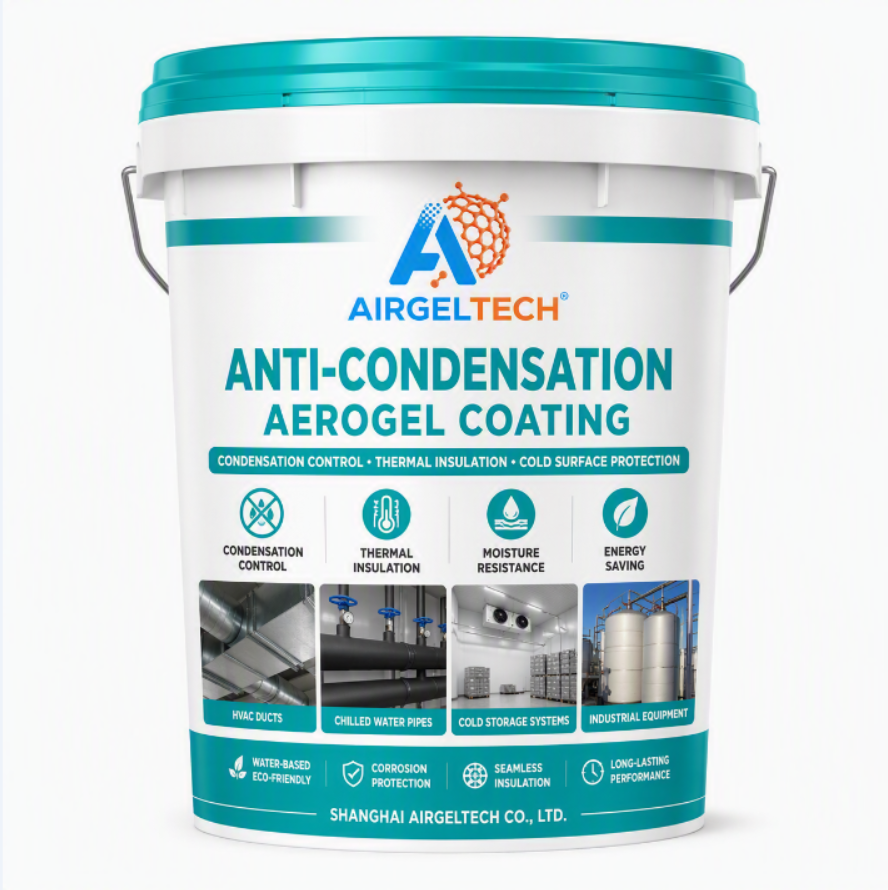
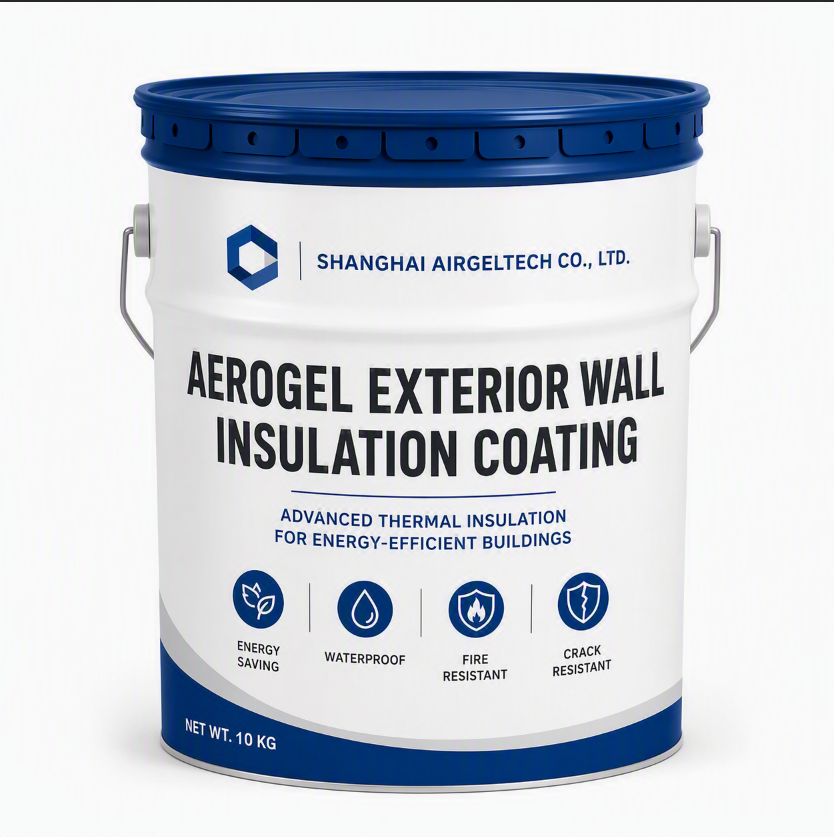
Aerogel insulation coating can be considered for selected irregular areas, joints, supports, and hard-to-wrap details where blanket installation may be limited by geometry or surface conditions.
Typical industrial pipeline scenarios where aerogel insulation materials can be used.
Insulation thickness selection should be based on service temperature, heat loss targets, available space, and environmental conditions.
| Thickness | Recommended Application Direction | General Selection Logic |
|---|---|---|
| 10mm | Medium-temperature applications | Suitable where moderate thermal insulation is required and space efficiency is important |
| 20mm | High-temperature or high CUI-risk environments | Used where higher temperature, greater moisture exposure, or stronger insulation performance is required |
| Custom Options | Project-specific applications | Available based on operating conditions, system design, and project requirements |
Need help choosing between 10mm and 20mm?
→ Contact us for thickness selection guidance based on your operating temperature, pipe size, insulation target, and site environment
In humid, high-temperature, or fluctuating industrial environments, conventional insulation materials can lose performance as moisture accumulates over time. Aerogel insulation is commonly selected where thermal stability and lower moisture retention are important.
| Factor | Aerogel Insulation | Conventional Insulation |
|---|---|---|
| Moisture Absorption | Hydrophobic material structure helps reduce moisture retention | More likely to absorb and retain moisture over time |
| Thermal Performance Stability | More stable long-term insulation performance in moisture-prone environments | Thermal performance may degrade as moisture accumulates |
| CUI Risk | Reduced moisture retention can help lower corrosion under insulation risk | Higher moisture retention can increase long-term CUI risk |
| System Thickness | Can achieve strong insulation performance with reduced thickness | Often requires greater thickness for equivalent thermal insulation effect |
| Maintenance Frequency | Can help reduce replacement frequency and maintenance burden | Higher risk of replacement and maintenance in harsh operating conditions |
Access verified performance data, test reports, and material specifications to support engineering review, material evaluation, and product selection for industrial pipeline insulation systems.
AirgelTech is a supplier of high-performance aerogel insulation materials for industrial applications.
We do not provide on-site installation or construction services. Installation of aerogel insulation materials is carried out by your engineering team or insulation contractor.
Our role is to support your project with reliable insulation materials and technical information for system design, material evaluation, and product selection.
We provide engineering support including material selection guidance, thickness recommendations, operating-condition review, and application advice based on your project requirements.
If your team is evaluating pipeline insulation for high-temperature service, moisture-prone conditions, or CUI reduction, we can support technical review with product data and insulation recommendations.
Explore related application pages, product pages, and technical support resources.
A: No. We are a material supplier and do not carry out on-site installation or construction work. Aerogel insulation materials are installed by your engineering team or insulation contractor.
A: Yes. We provide technical support for material selection, insulation thickness recommendations, and application guidance based on your operating temperature, environment, and project requirements.
A: 10mm is generally suitable for medium-temperature applications. 20mm is typically recommended for higher temperatures or higher CUI-risk environments. Final selection should be based on operating temperature, insulation target, and service conditions.
A: Aerogel insulation is commonly selected for CUI-sensitive systems because its hydrophobic structure helps reduce moisture retention, which can support lower long-term corrosion risk compared with moisture-absorbing conventional insulation materials.
A: Please contact us for MOQ and pricing based on product specification, thickness, and project requirements.
A: Yes. We support international shipment. Please contact us with delivery location, quantity, and required timeline to confirm shipping options and lead time.
Tell us your service temperature, pipe size, preferred thickness, and project environment. We will help you identify a suitable aerogel insulation material direction and provide the relevant technical information for evaluation.
We supply aerogel insulation materials and provide engineering support for your project. Installation is completed by your engineering team or insulation contractor.
Looking for other insulation scenarios? Explore all aerogel insulation applications