Home >> Applications
AirgelTech supplies silica aerogel insulation materials for projects where low thermal conductivity, reduced insulation thickness, moisture resistance, lightweight construction, and stable long-term thermal performance are important.
This Applications hub helps engineers, technical buyers, EPC teams, insulation contractors, and project managers quickly identify suitable aerogel insulation directions for industrial pipeline insulation, equipment and tank insulation, high temperature insulation, cryogenic and LNG insulation, and building envelope insulation.
Select the application below to review typical service conditions, insulation priorities, and suitable aerogel product directions. Each application page supports technical review, product evaluation, and quotation inquiries.
Suitable for steam pipelines, petrochemical piping, and industrial process lines where reduced heat loss, moisture resistance, and stable long-run thermal insulation performance are required.
Suitable for tanks, vessels, reactors, columns, and irregular equipment surfaces where flexible aerogel insulation materials improve coverage on complex geometries and limited-space areas.
Suitable for furnaces, process heaters, elevated-temperature equipment, hot surfaces, and thermal systems where reliable high temperature insulation performance and reduced thickness are important.
Suitable for LNG pipelines, cryogenic transfer lines, valves, and low-temperature storage systems where low heat transfer, condensation control, and stable cryogenic insulation performance are required.
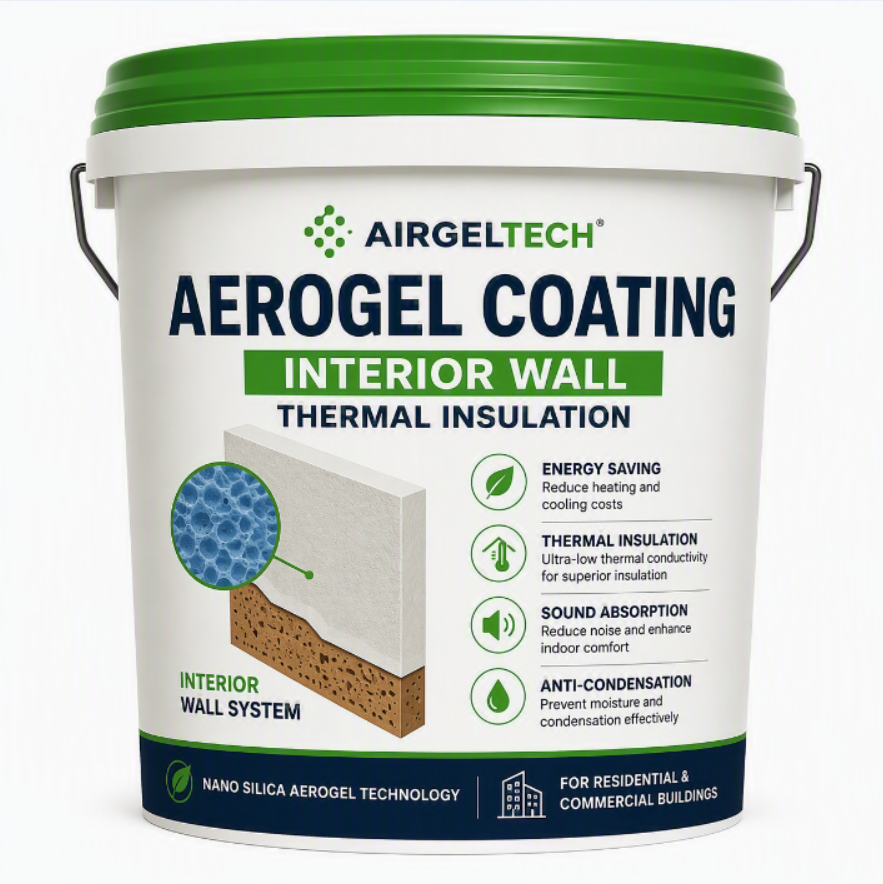
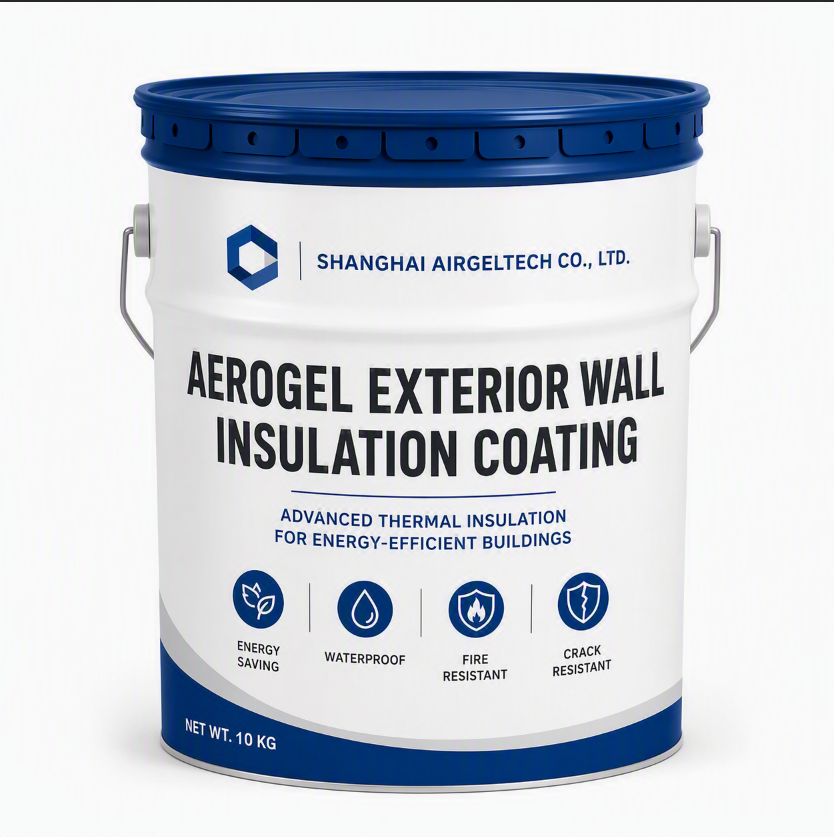
Suitable for exterior wall insulation, roof insulation, façade details, thermal bridge treatment, and space-limited building envelope systems where thermal efficiency and reduced build-up thickness are important.
Use this matrix as a quick reference when comparing service temperature, insulation priorities, and typical aerogel product directions across different application scenarios.
Different projects may require different aerogel product forms depending on service temperature, installation geometry, available thickness, surface condition, and exposure to moisture.
Commonly used for industrial pipeline insulation, high temperature systems, cryogenic insulation wrapping, and general thermal insulation applications requiring flexibility and reduced thickness.
Suitable for equipment surfaces, structural steel, and irregular thermal insulation areas where sprayable or brush-applied insulation layers improve adaptability.
Used in building insulation systems, façade details, roof insulation layers, and space-sensitive construction assemblies where lightweight thermal insulation is preferred.
Used for composite insulation materials, specialty fillers, coatings, and lightweight formulations where silica aerogel is incorporated into broader thermal systems.
Suitable for joints, gaps, detail treatment zones, and complex insulation areas requiring adaptable material coverage and application flexibility.
Material selection typically depends on service temperature, insulation objective, installation geometry, available thickness, moisture exposure, and the type of project involved.
If you are evaluating aerogel insulation materials for industrial insulation or building insulation projects, AirgelTech can support your review with technical data sheets, product direction guidance, and quotation assistance based on your service conditions and project requirements.
Tell us whether your project involves pipeline insulation, equipment insulation, high temperature insulation, cryogenic LNG insulation, or building insulation. We will help you identify a suitable aerogel insulation direction and provide the relevant technical information for review.