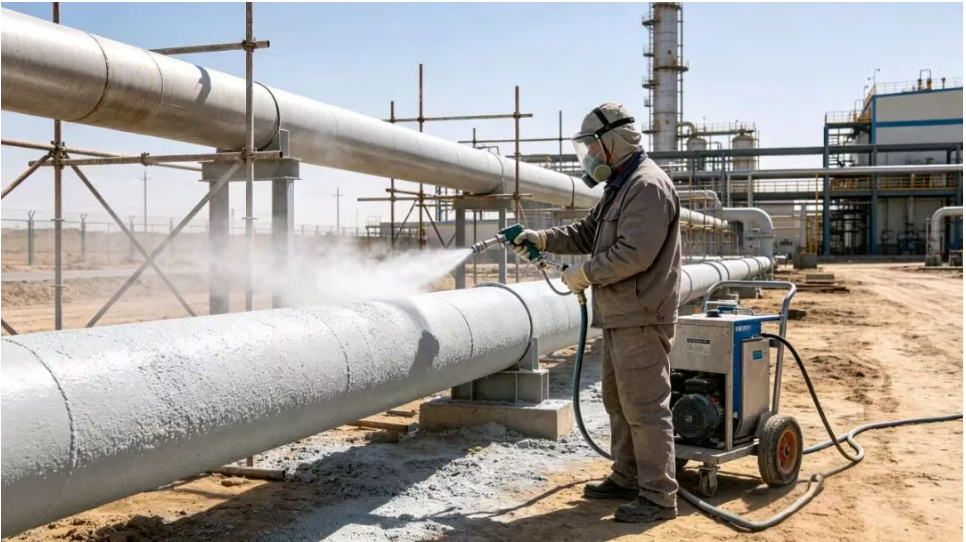
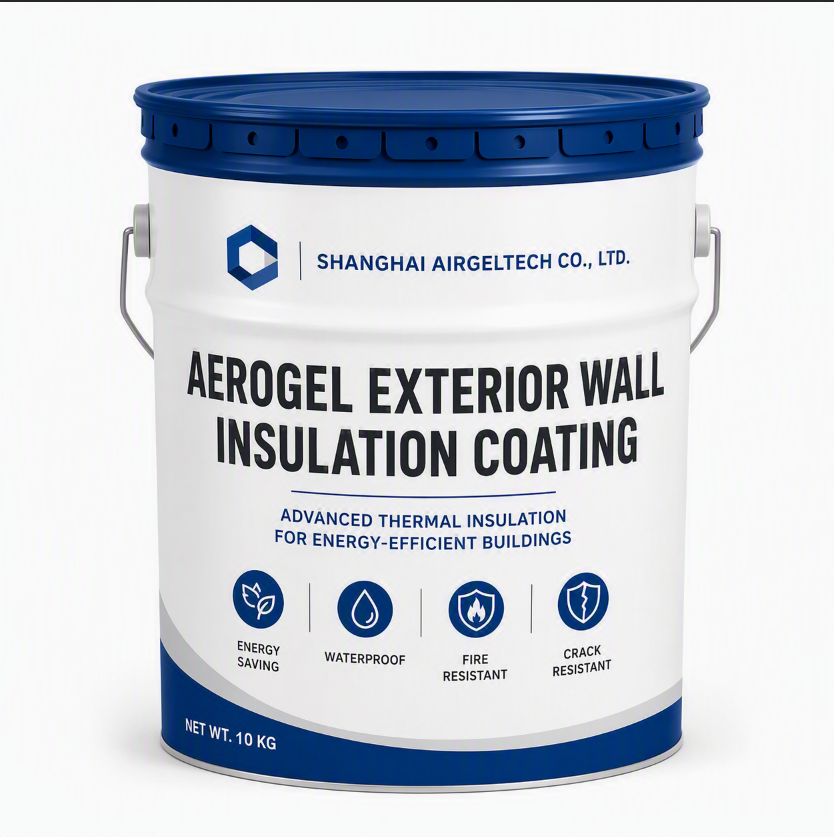
Aerogel insulation materials for energy-efficient building insulation, exterior wall insulation, roof insulation, and advanced building envelope systems.
Modern building insulation systems are designed to improve energy efficiency, reduce heat loss, and enhance indoor thermal comfort. Typical applications include exterior wall insulation, roof insulation, floor insulation, and facade systems where insulation materials must provide low thermal conductivity, fire resistance, moisture stability, and long-term durability.
Aerogel insulation materials offer a high-performance option for building insulation applications. With low thermal conductivity, thin-profile thermal control, lightweight structure, and flexible application methods, aerogel materials can be used in blanket, coating, mortar, and particle forms across different construction systems.
These materials are suitable for both new construction and building renovation projects where reduced thickness, improved fire performance, and better thermal efficiency are required without significantly increasing system weight or wall build-up.
Need help selecting the right aerogel insulation material for building applications?
Request technical data and material recommendations for exterior wall insulation, roof insulation, facade systems, and retrofit insulation projects.
Technical data sheets, application information, and product documentation are available for engineering evaluation and procurement review.
Aerogel insulation materials used in building insulation applications provide balanced performance in thermal insulation, fire resistance, application flexibility, and energy-efficient design.
| Parameter | Value / Capability |
|---|---|
| Thermal conductivity | Depending on material form; insulation mortar grades available down to ≤0.035 W/(m·K) |
| Fire performance | A-grade non-combustible insulation mortar systems |
| Moisture resistance | Hydrophobic and low water-absorption performance by material form |
| Application forms | Blanket, coating, mortar, and particle-based systems |
| Typical uses | Exterior walls, roofs, floors, facades, and building envelope insulation |
| Construction adaptability | Dry-layer, trowel-applied, coating-applied, and composite system options |
Suitable for high-performance building insulation systems requiring low thermal conductivity, reduced thickness, and flexible dry-layer installation for walls, roofs, and building envelope assemblies.
→ View Aerogel Insulation Blanket
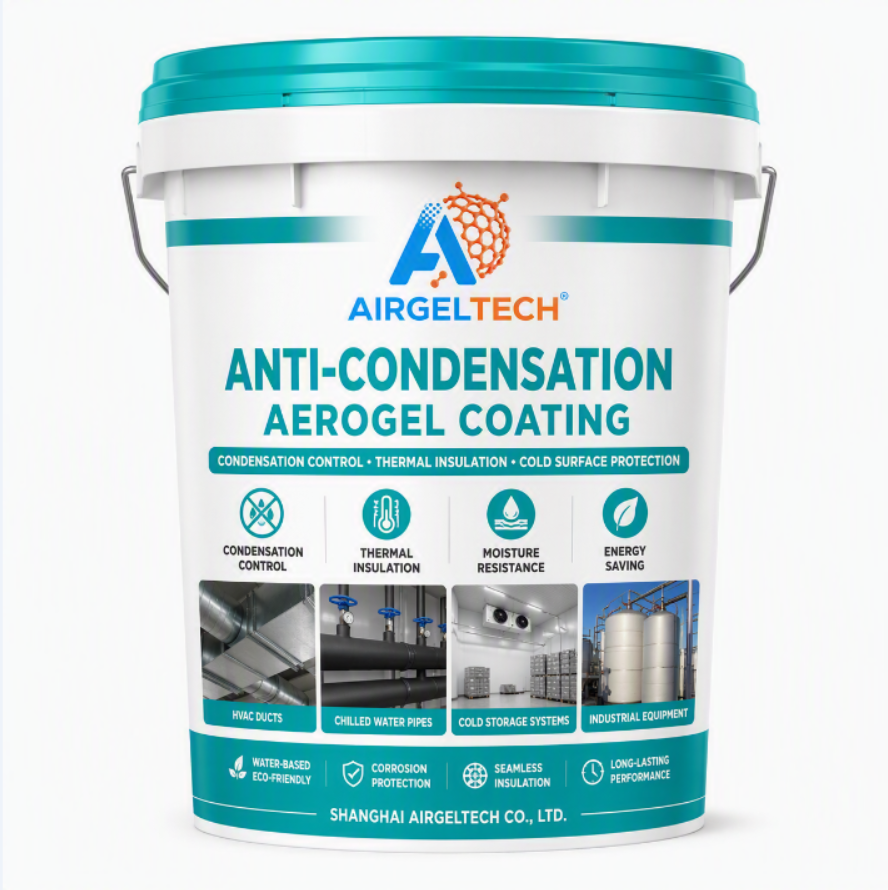
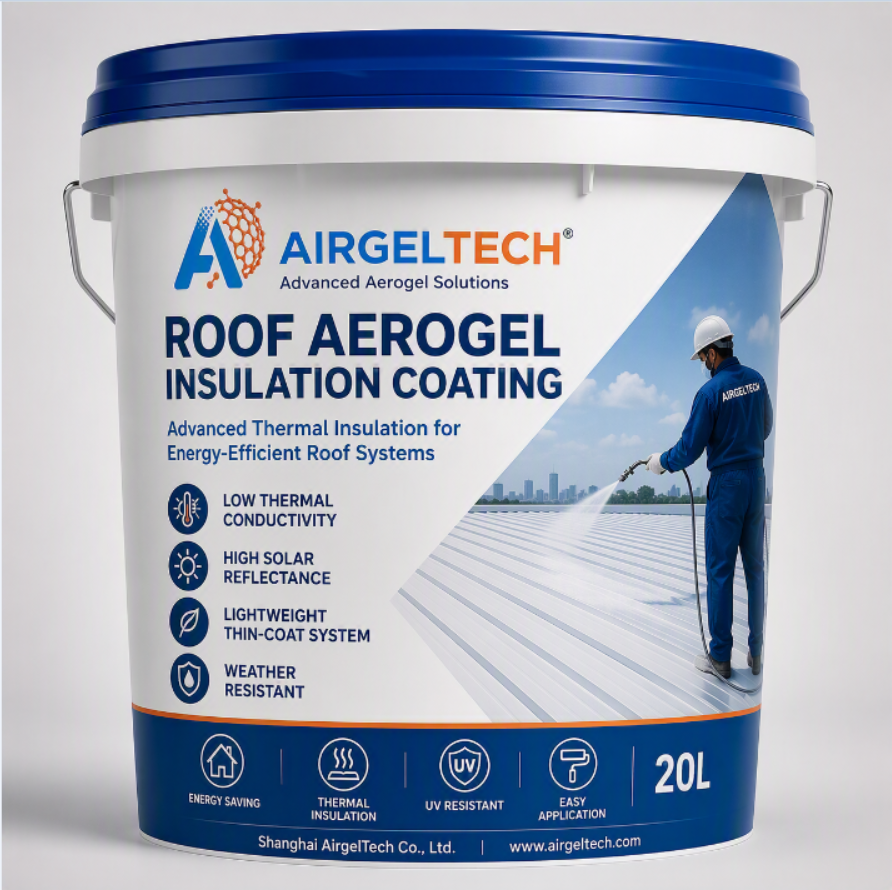
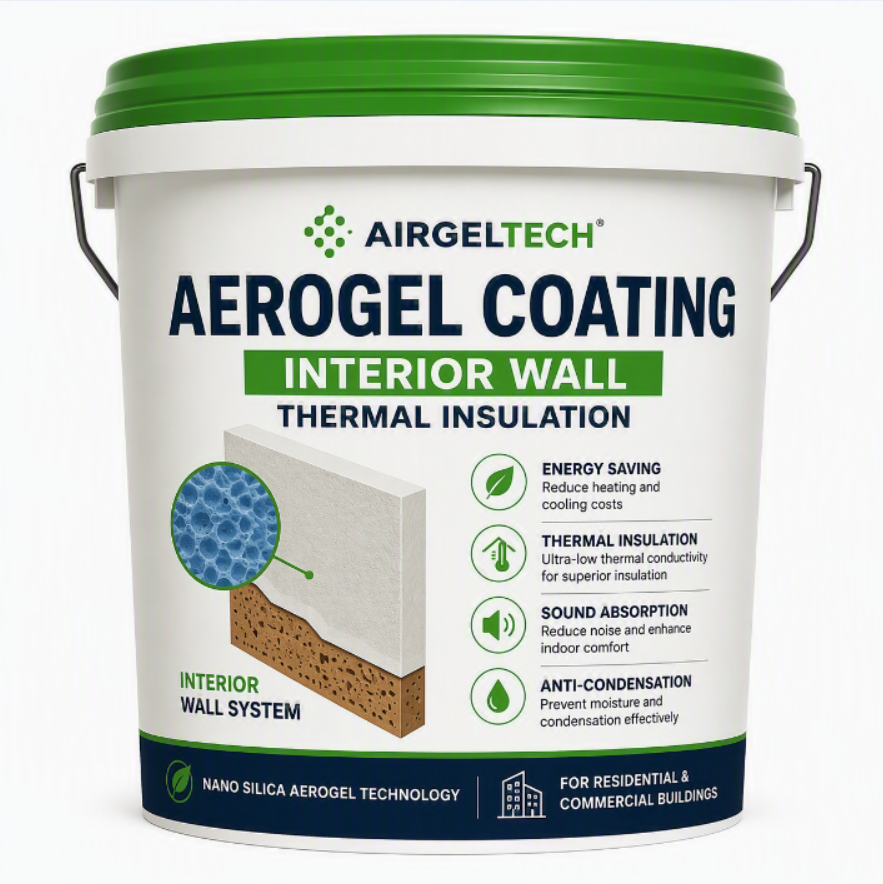
Suitable for irregular surfaces, retrofit details, and building components where a waterborne nano thermal insulation coating is preferred for application flexibility and thin-layer thermal control.
→ View Aerogel Insulation Coating
Suitable for building wall, slab, and roof insulation systems requiring thermal insulation, leveling, and fire-resistant performance in one trowel-applied system. Single-pass application thickness is typically controlled within 10 mm.
→ Request Technical Data for Aerogel Insulation Mortar
Suitable for composite insulation materials and lightweight thermal systems where low density and functional thermal performance are required in building-related formulations or assemblies.
Supply scope: We supply aerogel insulation materials only. Installation is carried out by construction or insulation contractors using standard project methods.
Exterior wall insulation systems for energy-efficient buildings
Roof insulation and thermal protection under weather exposure
Curtain wall and facade insulation details with limited build-up space
Retrofit and building renovation projects requiring thinner insulation systems
Fire-resistant building applications with non-combustible performance requirements
Walls, floors, slabs, and surfaces requiring both insulation and construction adaptability
These conditions increase the importance of insulation materials with thermal efficiency, low thickness, moisture stability, and construction compatibility.
Improved building energy efficiency through reduced heat transfer
Lower thermal conductivity for wall insulation, roof insulation, and facade systems
Reduced insulation thickness compared with conventional insulation materials
Fire-resistant system options suitable for building safety requirements
Multiple application forms including blanket, coating, mortar, and particles
Suitable for renovation projects where space and system weight are critical
Exterior wall insulation systems
Interior wall thermal insulation
Roof insulation and attic insulation
Floor and slab insulation systems
Curtain wall and facade insulation
Building envelope insulation for energy-efficient construction
Building retrofit insulation and renovation projects
Material selection for building insulation depends on design standards, insulation thickness limits, fire performance requirements, substrate conditions, and construction method.
| Material Form | Typical Use Direction |
|---|---|
| Aerogel Insulation Blanket | For dry-layer systems requiring reduced thickness and high thermal performance in wall and roof insulation |
| Aerogel Insulation Coating | For irregular surfaces, details, and retrofit applications requiring thin thermal protection coatings |
| Aerogel Insulation Mortar | For wall, slab, and roof applications requiring insulation plus leveling; typical single-pass thickness ≤10 mm |
| Aerogel Particles | For composite insulation materials, lightweight panels, and functional thermal material systems |
Guideline: Aerogel-based building insulation systems allow reduced thickness compared with conventional insulation materials while maintaining effective thermal control, making them suitable for thin-profile new construction and retrofit insulation projects.
→ Contact us for project-based building insulation material selection support
| Feature | Aerogel Insulation Materials | Conventional Insulation Materials |
|---|---|---|
| Thermal conductivity | Lower by material form | Typically higher |
| Thickness efficiency | Reduced thickness possible | Usually requires thicker layers |
| Application forms | Blanket, coating, mortar, particles | More limited by material category |
| Fire resistance | Non-combustible options available | Varies by material type |
| Retrofit suitability | Suitable for thin-profile and space-limited systems | May be limited by thickness requirements |
| System adaptability | Suitable for dry layers, coatings, trowel systems, and composites | Depends on material form |
Technical documentation typically includes:
Thermal conductivity data
Fire performance classification
Density and physical properties
Application and construction guidance
Material form recommendations for building insulation systems
Products are tested according to relevant industry standards. Technical data sheets and supporting documentation are available for engineering evaluation, procurement review, and project specification.
We are a supplier of aerogel-based insulation materials for building insulation applications, including wall insulation, roof insulation, facade insulation, and building envelope systems.
Supply aerogel insulation blankets, coatings, mortars, and particles
Support material selection and technical evaluation
Provide documentation for engineering, procurement, and project review
Compatible with standard construction and insulation methods
We do not provide installation services.
Installation is completed by construction contractors or insulation contractors according to project requirements.
Aerogel building insulation refers to aerogel-based thermal insulation materials used in exterior wall insulation, roof insulation, facade insulation, and building envelope systems to improve thermal performance and energy efficiency.
Yes. Aerogel insulation materials are suitable for exterior wall insulation systems where reduced thickness, fire resistance, and improved thermal performance are required.
Common forms include aerogel insulation blankets, aerogel insulation coatings, aerogel insulation mortars, and aerogel particles used in composite insulation materials.
Yes. Aerogel insulation materials help reduce heat loss and improve energy efficiency in residential, commercial, and industrial building insulation systems.
Yes. Aerogel insulation materials can be used in roof insulation, facade insulation, curtain wall systems, and other building envelope applications requiring thermal insulation and reduced thickness.
Yes. Aerogel insulation is widely used in building renovation and retrofit projects because thin-profile systems can improve insulation performance without significantly increasing wall or roof build-up.
Thickness depends on the material form and project requirement. Coating and mortar systems are commonly used in thin-layer ranges, while blanket and composite systems are selected according to thermal target and construction design.
Yes. Aerogel insulation systems such as inorganic aerogel insulation mortar can provide non-combustible or fire-resistant performance suitable for building insulation requirements.
Typical applications include exterior wall insulation, interior wall insulation, roof insulation, floor insulation, curtain wall systems, and building envelope thermal insulation.
Request Technical Data or Quotation Support
Send your building insulation application details for aerogel material selection, thermal performance review, and project evaluation.