Product Overview
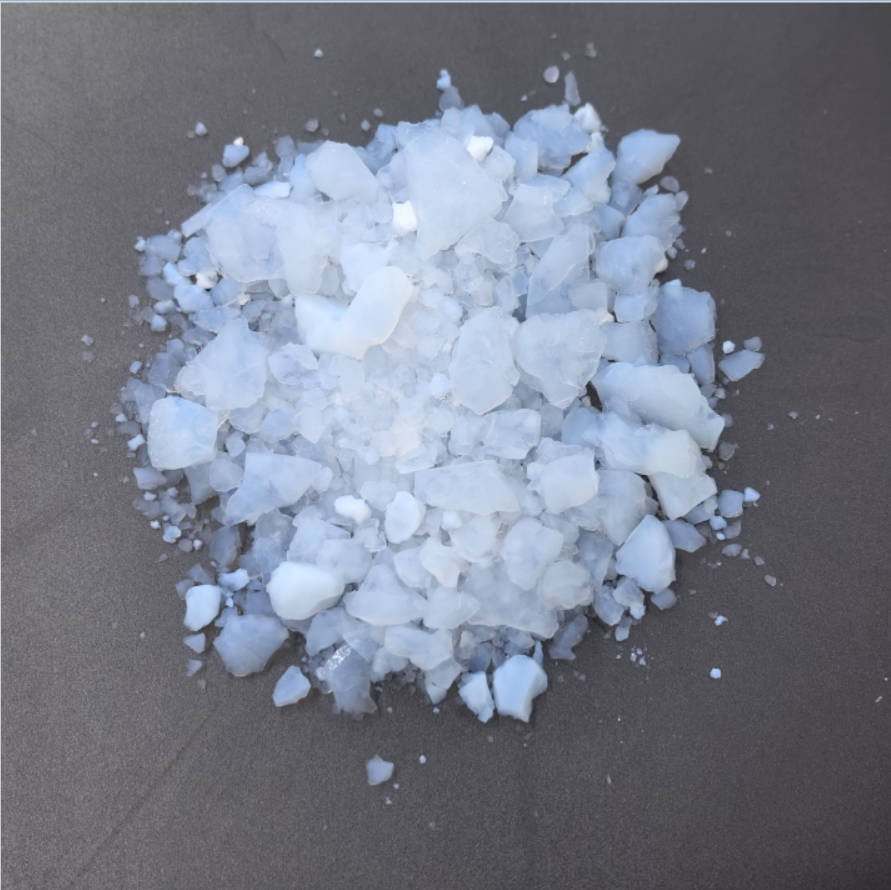
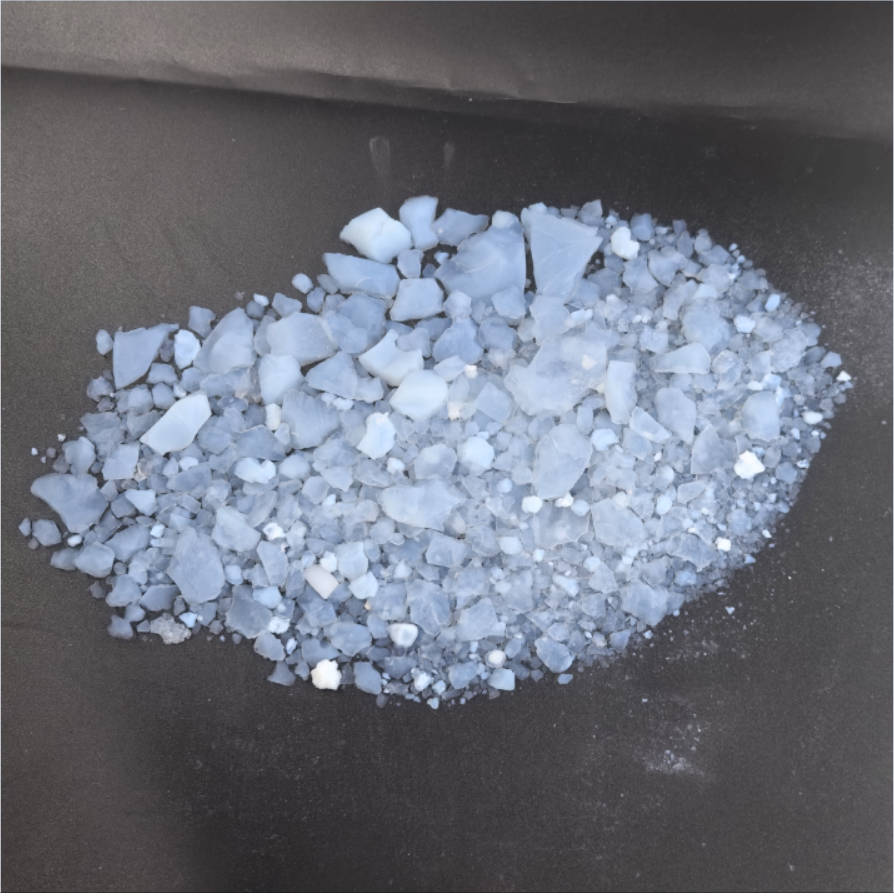
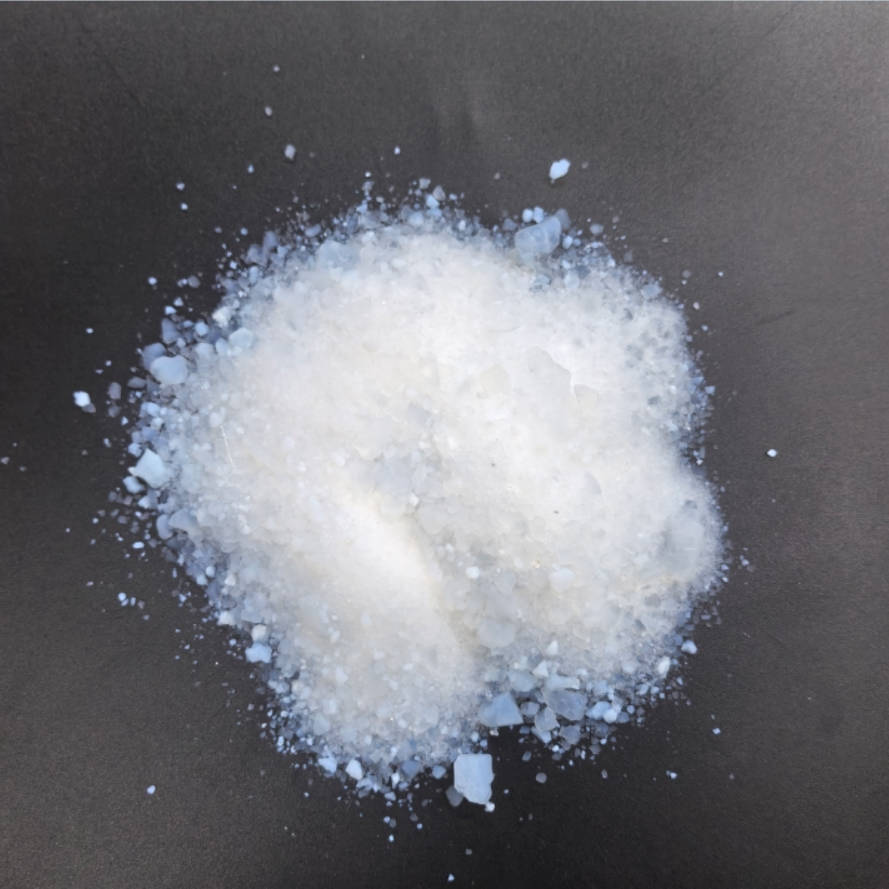
AIRG-0510ME is a 0.5–1 mm hydrophobic silica aerogel granule grade developed for thermal insulation materials, lightweight composite systems and engineered formulations requiring a defined granular aerogel structure.
The material combines low thermal conductivity, low bulk density and a highly porous nanoscale structure with hydrophobic surface characteristics. Its controlled 0.5–1 mm granule size provides a defined particle-size option for material systems requiring finer aerogel granules than the larger AIRG-ME grades.
Within the AIRG-ME series, AIRG-0510ME is positioned between the 0.1–0.5 mm AIRG-0105ME grade and the 1–2 mm AIRG-1020ME grade, providing a particle-size option for different insulation materials and processing requirements.
Why Choose AIRG-0510ME?
AIRG-0510ME provides a controlled 0.5–1 mm granule size together with the lightweight, highly porous and low-conductivity characteristics of hydrophobic silica aerogel.
The particle-size range provides an additional selection option where a larger granular structure than AIRG-0105ME is required while remaining finer than AIRG-1020ME and AIRG-2030ME.
Grade selection should be based on the required particle size, processing method, packing structure, surrounding materials and target properties of the finished system.
Key Performance Features
Controlled 0.5–1 mm Granule Size
AIRG-0510ME provides a defined 0.5–1 mm particle-size range for material systems requiring hydrophobic silica aerogel granules within this size range.
Low Thermal Conductivity
With thermal conductivity below 0.018 W/(m·K) at 25°C, AIRG-0510ME provides a thermally insulating aerogel component for compatible insulation and composite materials.
Highly Porous Aerogel Structure
A porosity of 90–95% and BET surface area of 600–800 m²/g reflect the highly porous internal structure of the silica aerogel network.
Low Bulk Density
With a bulk density of 80–100 kg/m³, AIRG-0510ME retains the characteristic lightweight structure of silica aerogel in granular form.
Hydrophobic Surface
AIRG-0510ME features hydrophobic surface characteristics that reduce affinity for liquid water. This material property can be beneficial in systems where moisture exposure is a consideration, although the moisture performance of the finished product depends on the complete material and system design.
What Makes AIRG-0510ME Different?
AIRG-0510ME is distinguished primarily by its controlled 0.5–1 mm granule size within the AIRG-ME series.
Compared with AIRG-0105ME, which has a particle-size range of 0.1–0.5 mm, AIRG-0510ME provides a larger granular structure. Compared with AIRG-1020ME, which has a particle-size range of 1–2 mm, AIRG-0510ME provides a finer granular structure.
This positioning provides a defined particle-size option for material systems where the 0.5–1 mm range better matches the required processing conditions, packing structure and finished-material design.
Key performance features at a glance:
▸Controlled 0.5–1 mm granule size
▸Thermal conductivity <0.018 W/(m·K) at 25°C
▸BET surface area of 600–800 m²/g
▸High porosity of 90–95%
▸Low bulk density of 80–100 kg/m³
▸Hydrophobic surface chemistry
AIRG-ME Series Particle Size Options
AIRG-ME hydrophobic silica aerogel granules are available in four standard particle-size grades:
| Grade | Particle Size |
|---|
| AIRG-0105ME | 0.1–0.5 mm |
| AIRG-0510ME | 0.5–1 mm |
| AIRG-1020ME | 1–2 mm |
| AIRG-2030ME | 2–3 mm |
AIRG-0510ME provides the 0.5–1 mm particle-size option within the AIRG-ME series. The appropriate grade should be selected according to the required particle size, material structure, processing method and application requirements.
Frequently Asked Questions
What is AIRG-0510ME?+
AIRG-0510ME is a 0.5–1 mm hydrophobic silica aerogel granule grade developed for thermal insulation materials, composite systems and engineered formulations requiring a defined granular aerogel structure.
What is the particle size of AIRG-0510ME?+
AIRG-0510ME has a specified particle-size range of 0.5–1 mm. Within the AIRG-ME series, it is positioned between AIRG-0105ME at 0.1–0.5 mm and AIRG-1020ME at 1–2 mm.
Is AIRG-0510ME hydrophobic?+
Yes. AIRG-0510ME has hydrophobic surface chemistry that reduces its affinity for liquid water. Hydrophobicity of the aerogel material itself does not mean that a finished insulation system is automatically waterproof. Overall moisture performance also depends on surrounding materials, construction and system design.
How does AIRG-0510ME differ from AIRG-0105ME?+
The primary difference is particle size. AIRG-0105ME has a particle-size range of 0.1–0.5 mm, while AIRG-0510ME provides larger 0.5–1 mm granules. Grade selection should consider the particle-size requirements, processing method and structure of the intended material system.
How does AIRG-0510ME differ from AIRG-1020ME?+
AIRG-0510ME has a particle-size range of 0.5–1 mm, while AIRG-1020ME provides larger 1–2 mm granules. AIRG-0510ME therefore provides a finer particle-size option than AIRG-1020ME.
How does AIRG-0510ME differ from AIRG-2030ME?+
AIRG-0510ME has a particle-size range of 0.5–1 mm, while AIRG-2030ME provides larger 2–3 mm granules. The appropriate grade should be selected according to the particle-size requirements of the intended material structure and processing method.
What is the thermal conductivity of AIRG-0510ME?+
AIRG-0510ME has a specified thermal conductivity of <0.018 W/(m·K) at 25°C. Thermal performance in a finished material depends on factors including formulation, aerogel content, material density, packing structure, processing conditions and overall system design.
What are the porosity and BET surface area of AIRG-0510ME?+
AIRG-0510ME has a specified porosity of 90–95% and BET surface area of 600–800 m²/g. These parameters characterize the highly porous internal structure of the silica aerogel material.
Are 0.5–1 mm granules the same as the internal pores?+
No. The 0.5–1 mm value refers to the external size of the aerogel granules, not the internal pore size. AIRG-0510ME has a nanoscale internal porous structure with a specified mean pore diameter of <30 nm. External granule size and internal pore diameter therefore describe different structural characteristics of the material.
Does particle size determine thermal conductivity?+
Particle size and intrinsic thermal conductivity are different material characteristics. AIRG-0510ME has a specified thermal conductivity of <0.018 W/(m·K) at 25°C. Performance in a finished insulation material additionally depends on formulation, packing structure, material density, surrounding materials and overall system design.
Is AIRG-0510ME a finished insulation product?+
No. AIRG-0510ME is a silica aerogel material intended for incorporation into compatible thermal insulation materials, composite systems and engineered formulations. The performance of the finished product depends on its complete material composition, manufacturing process and system design.
How should AIRG-0510ME be selected relative to other AIRG-ME grades?+
Particle size is one of the primary considerations when selecting between AIRG-ME grades. AIRG-0510ME provides the 0.5–1 mm option for material systems requiring a larger granular structure than AIRG-0105ME while remaining finer than AIRG-1020ME and AIRG-2030ME. Final selection should also consider processing conditions, packing requirements, surrounding materials and target properties of the finished product.
Can AIRG-0510ME samples be evaluated before bulk purchasing?+
Yes. Sample evaluation is recommended to determine whether the 0.5–1 mm granule size is appropriate for the intended material formulation and processing method. Customers can provide their intended application, processing method and target material requirements when requesting product-selection support.
Application results should be verified under the customer's actual formulation, process and service conditions. Material-level technical clarification, sample evaluation support and documentation support are available where appropriate.