A practical reference section covering product understanding, material performance, application suitability, and documentation support for silica aerogel insulation materials.
This page is intended to help customers quickly address frequently asked questions during supplier evaluation, technical comparison, product review, and early-stage project discussion.
The questions below are organized to support different stages of evaluation, including product understanding, technical review, application screening, and documentation requests. For detailed specifications or testing-related information, please continue to our dedicated resource pages.
If you need formal product data, safety information, test reports, or compliance-related documents, please use the links provided below or contact our team directly for support.
Basic questions about silica aerogel insulation materials, product forms, and general material characteristics.
Silica aerogel insulation is a nano-porous thermal insulation material designed to reduce heat transfer by combining extremely low thermal conductivity with a highly porous internal structure. It is commonly used where lightweight insulation, reduced thickness, and stable thermal performance are required.
Aerogel materials are commonly supplied in several forms, including aerogel blanket, powder, particles, slurry, and coating systems. Different product forms are selected based on insulation design, installation conditions, processing needs, and application environment. You can explore our product range on the Products page.
Silica aerogel materials are known for very low thermal conductivity under controlled conditions. Actual values vary depending on product form, density, reinforcement structure, and operating temperature. For standard specifications, please refer to our Technical Data Sheets.
Compared with many traditional insulation materials, aerogel typically offers a lower thermal conductivity and can help reduce insulation thickness in space-constrained applications. Depending on product design, it may also provide advantages in hydrophobicity, flexibility, and thermal efficiency under demanding conditions.
Common technical questions related to temperature range, hydrophobic behavior, and material verification.
Certain aerogel material systems are suitable for medium- to high-temperature insulation applications, depending on reinforcement structure, composite design, and operating conditions. Product suitability should always be reviewed based on the actual service environment and material configuration.
Selected aerogel products are suitable for cryogenic and LNG-related insulation scenarios where low thermal conductivity, moisture resistance, and cold-loss control are important. For application guidance, please visit our Cryogenic & LNG Insulation page.
Hydrophobic aerogel materials are engineered to reduce water uptake and to maintain stable insulation performance in humid or moisture-sensitive environments. Hydrophobic behavior depends on the specific material system, surface treatment, and product design.
Yes. Selected test-related documentation may be available to support supplier review, technical comparison, and early-stage project evaluation. Please visit our Test Reports page or contact our team for more detailed requests.
Questions related to common use scenarios across industrial, cryogenic, and building insulation systems.
Yes. Aerogel insulation materials are often used in industrial pipeline systems where reduced thickness, thermal efficiency, and moisture-sensitive service conditions are important. You can learn more from our Industrial Pipeline Insulation page.
Aerogel materials can be used in tank, vessel, and equipment insulation applications where flexible coverage, thermal stability, and space-saving are important. Product selection depends on geometry, operating conditions, and insulation system design.
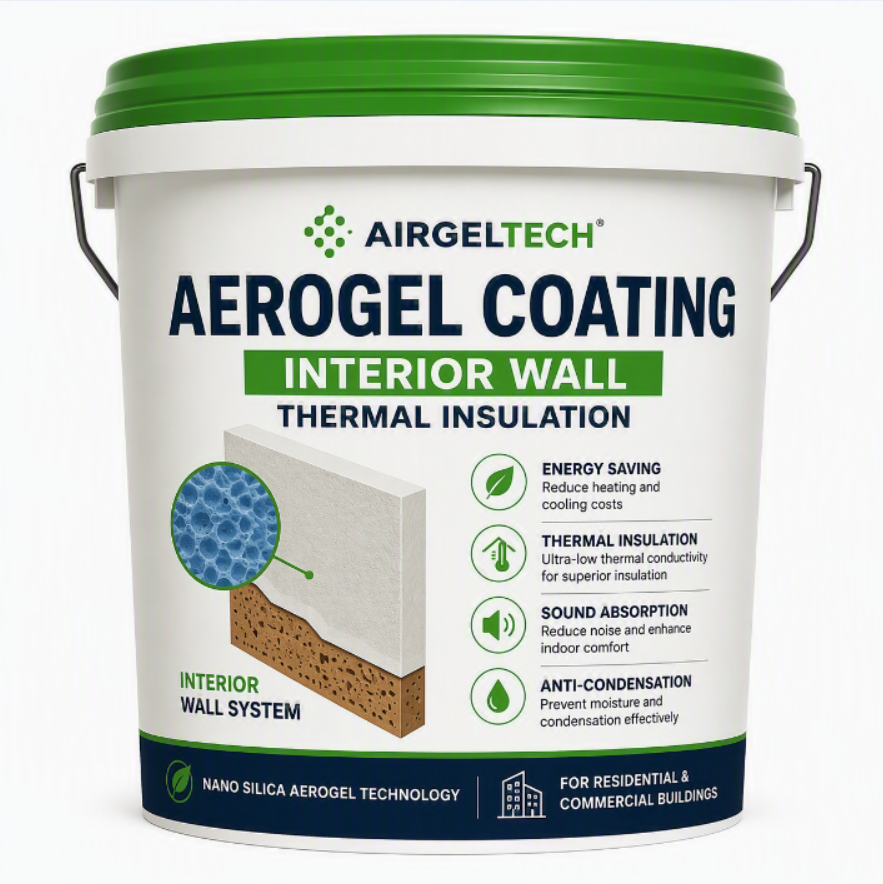
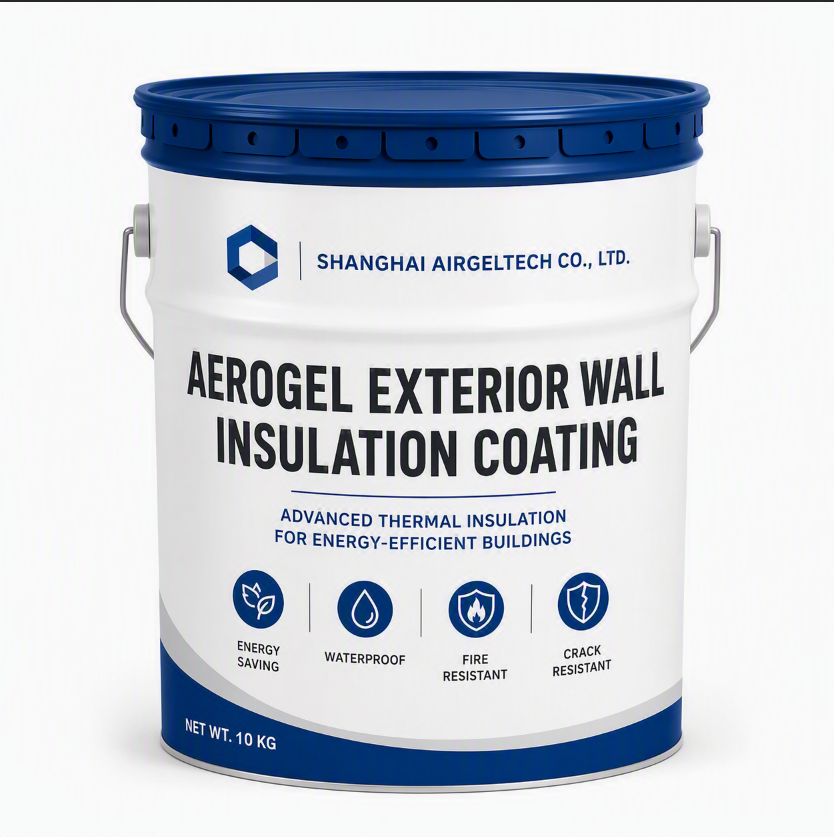
Yes. Aerogel materials are also used in selected building insulation scenarios, especially where thin-profile thermal insulation and improved space efficiency are required. Related solutions may include building envelope and space-constrained insulation applications.
Typical industries include petrochemical processing, energy and power, industrial manufacturing, LNG-related systems, selected building insulation sectors, and other temperature-sensitive environments requiring advanced thermal management materials.
Questions related to technical documents, safety information, compliance materials, and support requests.
Yes. Technical Data Sheets are available for selected products and may include key thermal, physical, and application-related specifications. Please visit our Technical Data Sheets page.
Safety-related documentation may be available depending on product type and business requirements. For handling, storage, transport, or safety information requests, please refer to our MSDS page or contact us directly.
Selected compliance-related documents, quality system references, and product-related certification support may be available based on the product type and request background. Please see our Certifications & Compliance page for more information.
You can submit your request through our Contact page. To help us respond more efficiently, please include the product type, intended application, operating temperature range, and the type of documentation or support required.
Continue to the sections below for detailed documentation, data access, and technical verification support.
View standard product specifications and key material parameters for selected aerogel products.
Go to Technical Data Sheets →Access available safety-related documentation for handling, storage, transport, and internal review needs.
Go to MSDS →Review performance verification categories and request testing-related documentation for technical evaluation.
Go to Test Reports →Learn more about quality systems, compliance references, and available documentation support.
Go to Certifications & Compliance →Contact our team for product guidance, technical data, testing-related support, and application-oriented discussion based on your insulation requirements and project conditions.