• AIRG-ME Series Hydrophobic Silica Aerogel Particles & Granules

  • AIRG-ME Series Hydrophobic Silica Aerogel Particles & Granules

  • AIRG-ME Series Hydrophobic Silica Aerogel Particles & Granules

  • AIRG-ME Series Hydrophobic Silica Aerogel Particles & Granules

  • AIRG-ME Series Hydrophobic Silica Aerogel Particles & Granules

AIRG-ME Series Hydrophobic Silica Aerogel Particles & Granules

Explore Airgeltech AIRG-ME Series hydrophobic silica aerogel particles and granules in 0.1–3 mm grades for thermal insulation, construction and engineered material systems.

AIRG-ME Series Hydrophobic Silica Aerogel Particles and Granules 0.1–3 mm

Product Overview

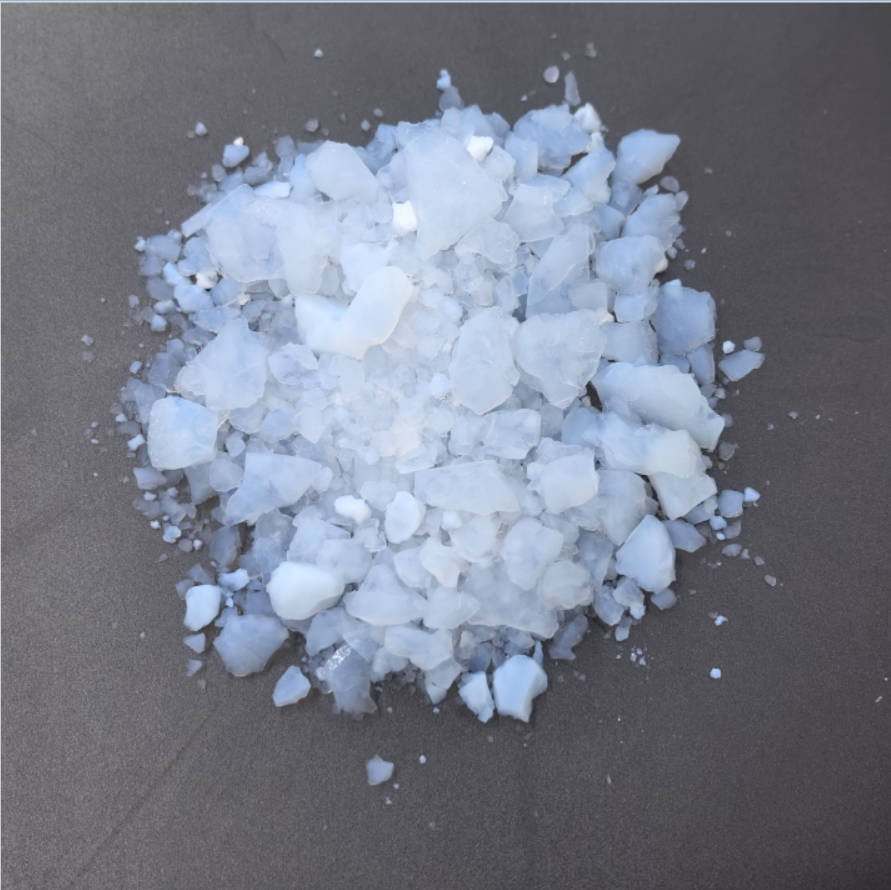
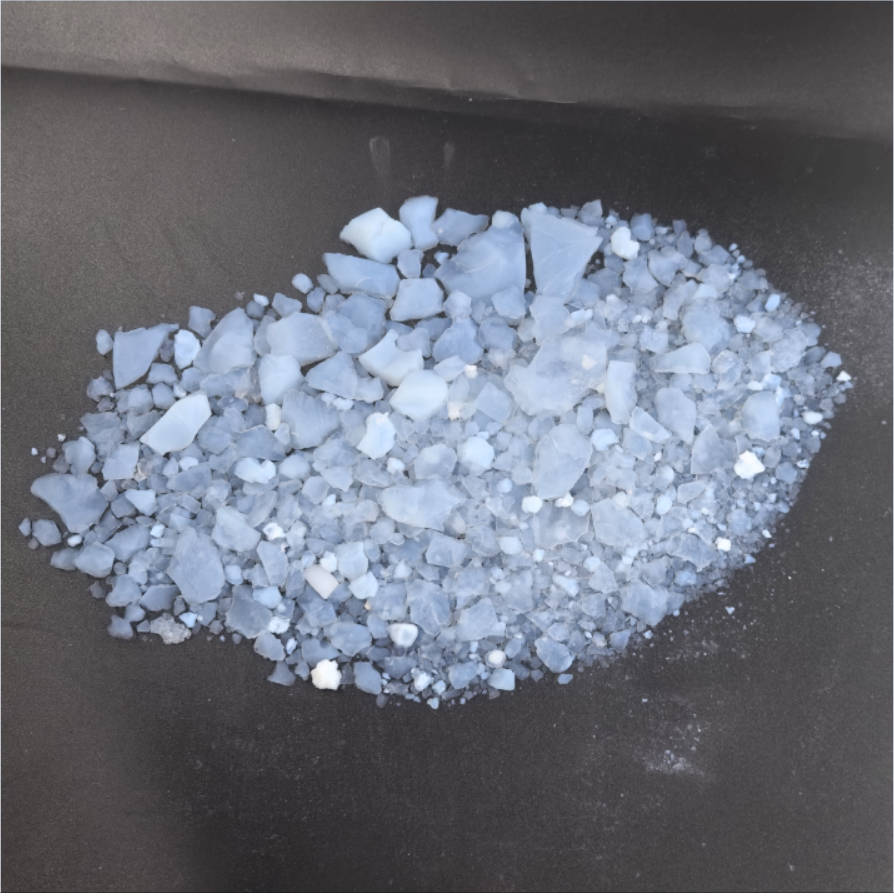
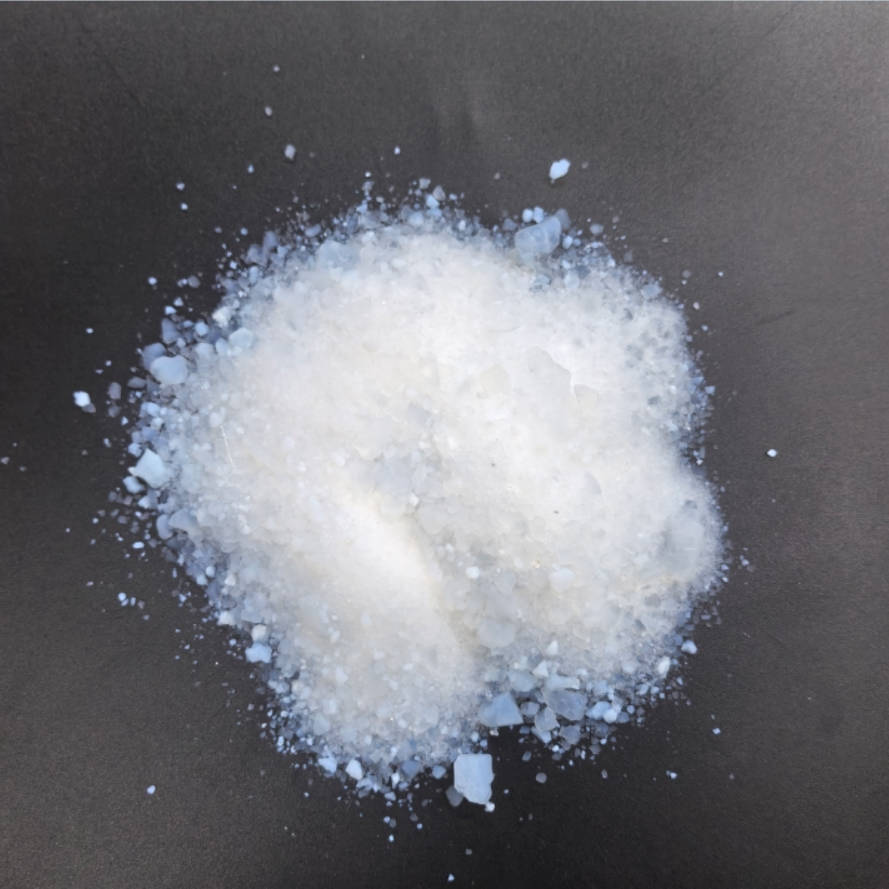
AIRG-ME Series products are hydrophobic silica aerogel particles and granules developed for thermal insulation materials, lightweight composite systems and engineered formulations.

The series combines low thermal conductivity, low bulk density, high porosity and hydrophobic surface chemistry with four standard particle-size grades ranging from 0.1 to 3 mm. Different grades can be selected according to particle-size requirements, material structure, processing method and finished-product requirements.

Four standard AIRG-ME grades are available:

  • ▸ AIRG-0105ME: 0.1–0.5 mm
  • ▸ AIRG-0510ME: 0.5–1 mm
  • ▸ AIRG-1020ME: 1–2 mm
  • ▸ AIRG-2030ME: 2–3 mm

Why Choose the AIRG-ME Series?

The AIRG-ME Series provides multiple particle-size options while maintaining the characteristic lightweight, porous and hydrophobic structure of silica aerogel.

Low Thermal Conductivity

AIRG-ME products have a specified thermal conductivity of <0.018 W/(m·K) at 25°C, providing a low-conductivity aerogel component for compatible thermal insulation materials.

Highly Porous and Lightweight

With a specified porosity of 90–95%, BET surface area of 600–800 m²/g and bulk density of 80–100 kg/m³, AIRG-ME products retain the highly porous and lightweight structure of silica aerogel.

Hydrophobic Surface Chemistry

AIRG-ME products feature hydrophobic surface chemistry that reduces affinity for liquid water. Moisture performance of a finished material depends on the complete formulation and system design.

Four Defined Particle-Size Grades

Four standard grades from 0.1 to 3 mm provide different particle-size options for compatible insulation, composite and engineered material systems.

Available AIRG-ME Grades

Grade Particle Size
AIRG-0105ME 0.1–0.5 mm
AIRG-0510ME 0.5–1 mm
AIRG-1020ME 1–2 mm
AIRG-2030ME 2–3 mm

The AIRG-ME grades are differentiated primarily by their specified particle-size ranges. The appropriate grade should be selected according to the intended material structure, surrounding matrix, processing method and finished-product requirements.

Grade Selection & Material-System Considerations

Particle size is one of the primary considerations when selecting an AIRG-ME grade. Key selection factors include:

  • ▸ Required aerogel particle size
  • ▸ Binder or matrix compatibility
  • ▸ Aerogel loading and particle distribution
  • ▸ Mixing and processing conditions
  • ▸ Packing and material density
  • ▸ Mechanical and surface requirements
  • ▸ Target thermal performance
  • ▸ Final product structure

AIRG-ME hydrophobic silica aerogel particles and granules can be evaluated for incorporation into compatible thermal insulation materials, lightweight construction materials, composite systems and engineered formulations, including cement-based, gypsum-based and other inorganic material systems.

Finished-material performance depends on the complete formulation rather than the aerogel alone. Aerogel loading, matrix composition, particle distribution, density, processing conditions and overall material structure should therefore be considered during product development.

Application-specific testing under representative processing and service conditions is recommended before commercial use.

Frequently Asked Questions

What are AIRG-ME silica aerogel particles? +

AIRG-ME products are hydrophobic silica aerogel particles and granules supplied in defined particle-size grades for incorporation into compatible thermal insulation, composite and engineered material systems.

What particle sizes are available? +

Four standard grades are available:

  • ▸ AIRG-0105ME: 0.1–0.5 mm
  • ▸ AIRG-0510ME: 0.5–1 mm
  • ▸ AIRG-1020ME: 1–2 mm
  • ▸ AIRG-2030ME: 2–3 mm
Are AIRG-ME products hydrophobic? +

Yes. AIRG-ME products have hydrophobic surface chemistry that reduces affinity for liquid water. Hydrophobicity of the aerogel itself does not mean that a finished material containing aerogel is automatically waterproof.

What is the difference between particle size and pore size? +

Particle size refers to the external size of the aerogel particles or granules, while pore size describes their nanoscale internal structure. AIRG-ME grades have external particle sizes ranging from 0.1 to 3 mm, while the specified mean internal pore diameter is <30 nm.

How should I select an AIRG-ME grade? +

Grade selection should consider particle size, surrounding matrix, aerogel loading, particle distribution, processing method and target properties of the finished material. Sample evaluation is recommended when determining the appropriate grade for a new formulation.

Is the thermal conductivity of the finished product the same as the aerogel? +

No. AIRG-ME products have a specified thermal conductivity of <0.018 W/(m·K) at 25°C, but the thermal performance of the finished product also depends on aerogel loading, matrix composition, density, processing conditions and overall material structure.

Is AIRG-ME a finished insulation product? +

No. AIRG-ME is a silica aerogel material supplied in particulate or granular form for incorporation into compatible insulation, composite and engineered material systems.

Can AIRG-ME samples be evaluated before bulk purchasing? +

Yes. Sample evaluation can be used to determine whether a selected AIRG-ME particle-size grade is compatible with the intended formulation and processing method.

Application results should be verified under the customer's actual formulation, process and service conditions. Material-level technical clarification, sample evaluation support and documentation support are available where appropriate.