Home >> Resources >> Technical Articles
Advanced thermal insulation material for EV battery safety, energy storage fire protection, industrial insulation, and aerospace thermal management.
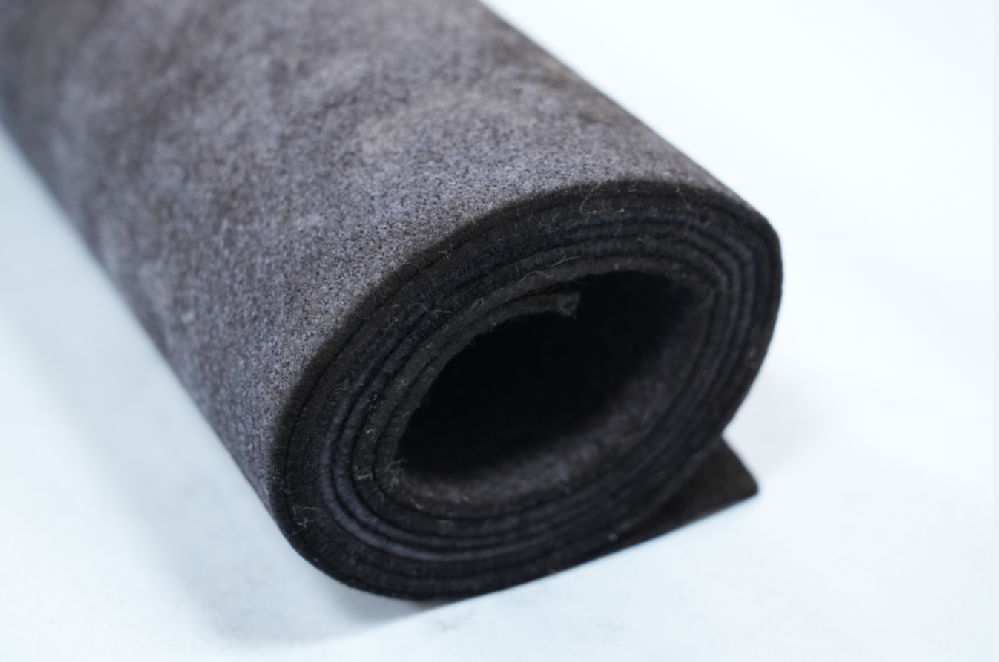
PANOF Aerogel Felt, also known as Pre-Oxidized Polyacrylonitrile Fiber Aerogel Felt, is an advanced thermal insulation material that combines the exceptional heat resistance of pre-oxidized fibers with the ultra-low thermal conductivity of silica aerogel.
The material features a lightweight porous structure, excellent flexibility, flame resistance, and outstanding thermal insulation performance. As thermal management requirements continue to increase in electric vehicles, energy storage systems, industrial equipment, and aerospace applications, PANOF aerogel felt has emerged as a high-value insulation solution.
PANOF (Pre-Oxidized Polyacrylonitrile Fiber) is an intermediate material used in carbon fiber production. Compared with conventional insulation fibers, PANOF offers:
Because of these properties, PANOF is widely used in fire protection and thermal management systems. When combined with silica aerogel, it creates a next-generation insulation material capable of providing superior thermal protection in demanding environments.
Several manufacturing technologies are commonly used to combine silica aerogel with PANOF fiber mats.
The sol-gel impregnation method is considered the highest-performance manufacturing technology. The PANOF felt is immersed into a silica aerogel precursor solution. The liquid penetrates the fiber network, forming a gel structure inside the material. After aging and drying, a highly integrated aerogel-fiber composite is produced.
Extremely low thermal conductivity
Uniform aerogel distribution
Excellent flexibility retention
Strong bonding between aerogel and fiber
The powder coating method is widely used for large-scale production. Aerogel powder is mixed with a silicone-based binder and sprayed onto the PANOF felt surface. Additional needle-punching processes may be used to improve particle penetration and bonding.
High production efficiency
Lower manufacturing cost
Scalable industrial production
Adjustable insulation performance
Melt impregnation technology is often used when improved mechanical properties are required. Aerogel powder is blended with a thermoplastic resin before being introduced into the PANOF fiber network.
Higher tensile strength
Improved durability
Better structural stability
The sandwich composite structure integrates multiple functional layers into a single insulation system.
Conductive heat reduction
Radiant heat reflection
Fire resistance
Mechanical protection
| Property | Performance |
|---|---|
| Thermal Conductivity | Extremely Low |
| Flame Resistance | Excellent |
| Flexibility | Excellent |
| Weight | Ultra-Light |
| Smoke Generation | Very Low |
| Corrosion Resistance | Good |
| Service Life | Long-Term Stable |
| Dimensional Stability | Excellent |
Thermal runaway protection is one of the fastest-growing application areas. PANOF aerogel felt can be installed between battery cells or modules to delay heat propagation and improve battery safety.
Large-scale energy storage systems require reliable fire containment and thermal management. PANOF aerogel felt provides thermal insulation, fire protection, heat transfer reduction, and extended system safety.
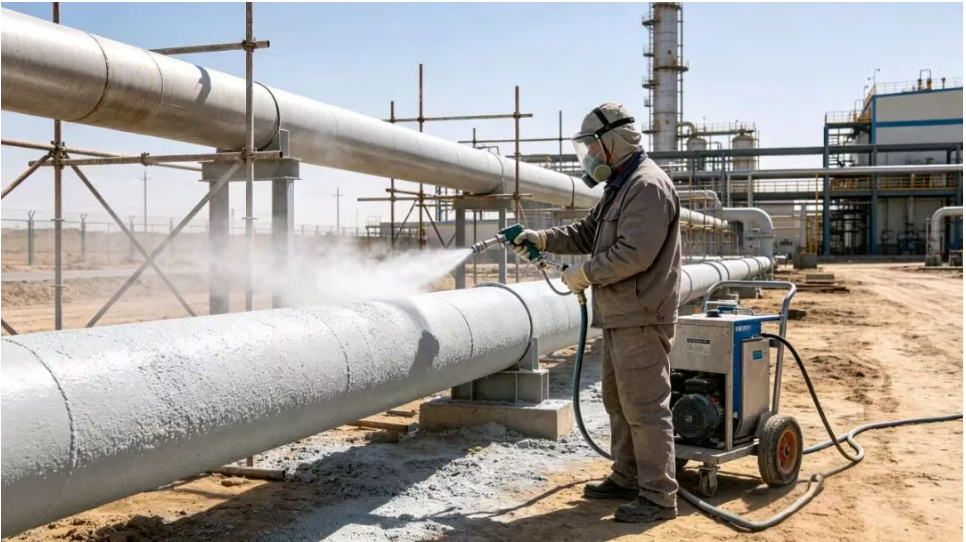
Increasingly used in process pipelines, industrial furnaces, petrochemical equipment, and power generation facilities where energy efficiency and thermal safety are essential.
The combination of low weight and high-temperature resistance makes PANOF aerogel composites suitable for aerospace thermal protection components.
As global demand for battery safety, energy efficiency, and fire-resistant insulation continues to grow, PANOF aerogel felt is expected to become one of the most important advanced thermal insulation materials.
Driven by increasingly strict safety standards and the rapid expansion of new energy industries, the market for PANOF aerogel insulation solutions is expected to continue growing over the coming years.
Electric vehicles (EV)
Energy storage systems (ESS)
Aerospace
Rail transportation
Industrial thermal management
PANOF Aerogel Felt combines the flexibility and flame resistance of pre-oxidized fibers with the ultra-low thermal conductivity of silica aerogel. Through advanced manufacturing technologies such as sol-gel impregnation, powder coating, melt impregnation, and sandwich composite structures, it delivers exceptional thermal protection for demanding applications.
As industries increasingly prioritize battery safety, energy efficiency, and lightweight thermal management solutions, PANOF aerogel felt is becoming a preferred material across electric vehicles, energy storage systems, industrial insulation, and aerospace engineering.
Contact us for PANOF Aerogel Felt samples and technical data.