A composite system combining 80 mm silica aerogel blanket with 100 mm ceramic fiber modules reportedly reduced the furnace roof temperature by 57.75°C and the furnace wall temperature by 60.22°C under the project operating conditions.
Reducing Surface Temperatures on a High-Temperature Industrial Furnace
352,908 kWh REPORTED ANNUAL ENERGY SAVINGS | 313.63 tce STANDARD COAL EQUIVALENT SAVINGS | 2.15 Years REPORTED PAYBACK PERIOD |
125.23°C ROOF BEFORE | 67.48°C ROOF AFTER | 57.75°C ROOF TEMPERATURE REDUCTION | 60.22°C WALL TEMPERATURE REDUCTION |
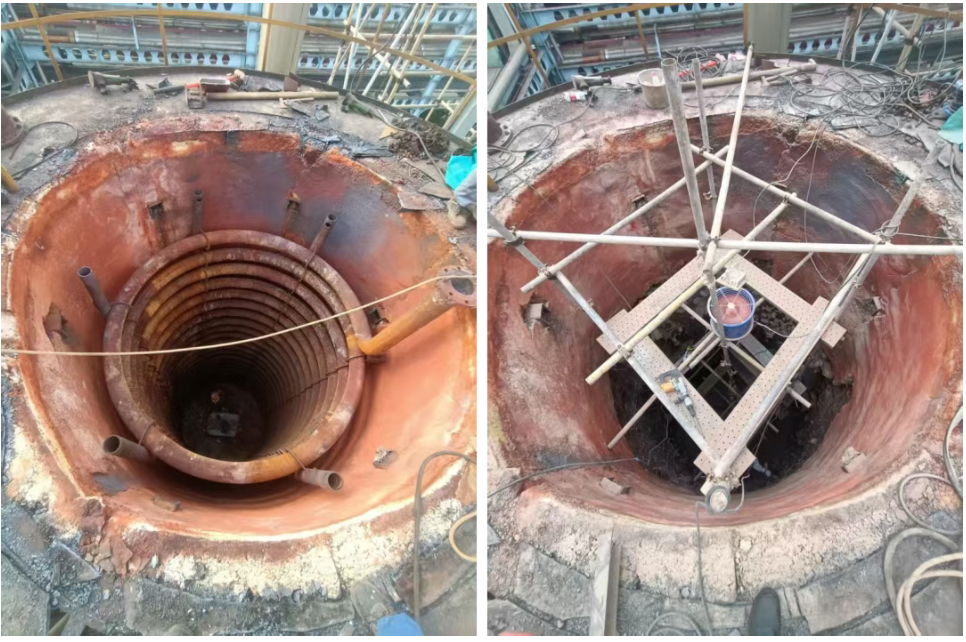
The process furnace operated at internal temperatures of up to 720°C, while the insulation retrofit focused on reducing external surface temperatures, thermal losses, and long-term operating costs.
The existing insulation structure allowed substantial heat transfer through the furnace enclosure, resulting in elevated surface temperatures and increased energy loss. To improve thermal performance, the original 190 mm insulation structure was replaced with a thermally engineered composite system consisting of 80 mm silica aerogel blanket and 100 mm ceramic fiber modules.
The aerogel blanket functioned as a backup insulation layer within the composite construction. Material placement and layer temperatures must be verified through project-specific thermal calculations and the applicable Technical Data Sheet.
High surface temperatures on furnace roof and walls
Aging conventional insulation materials
Increased heat loss and energy consumption
Continuous operation with limited maintenance windows
Complex furnace geometry requiring flexible insulation
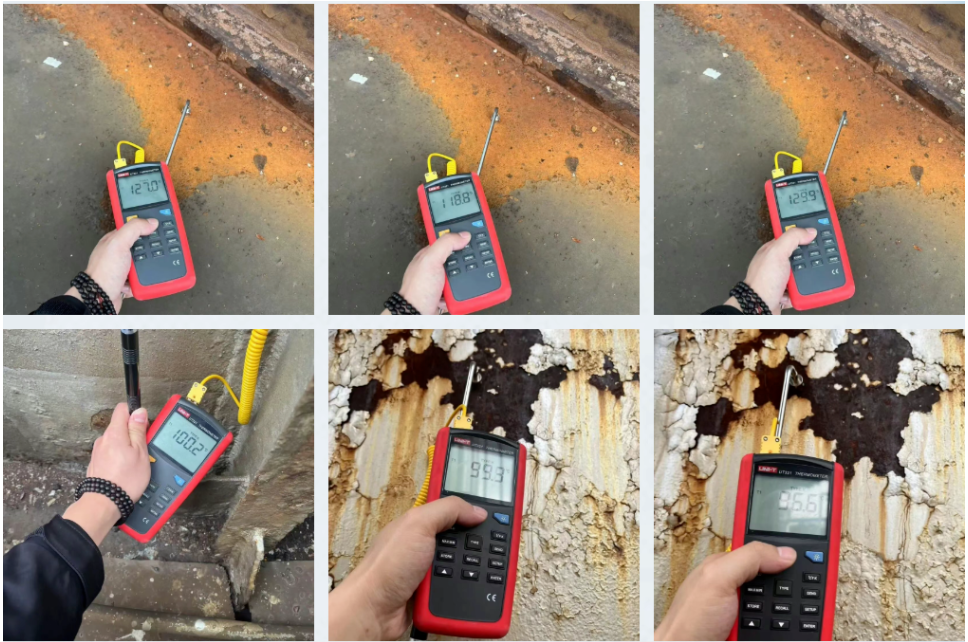
| Furnace Roof | 125.23°C |
| Furnace Wall | 98.70°C |
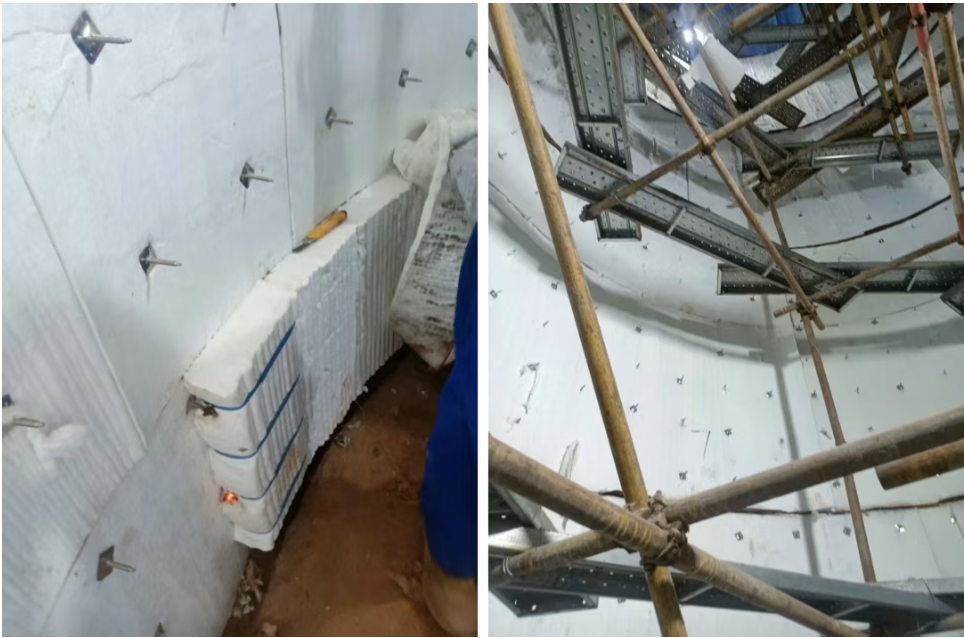
The retrofit adopted a composite insulation system consisting of silica aerogel blanket and ceramic fiber modules, designed to reduce heat loss and lower surface temperatures across the furnace roof and walls.
The composite insulation system was installed in stages, combining 80 mm aerogel blanket layers with 100 mm ceramic fiber modules to achieve the target thermal performance.
Following completion of the retrofit, the furnace surface temperatures were significantly reduced, indicating improved insulation performance and lower heat loss.
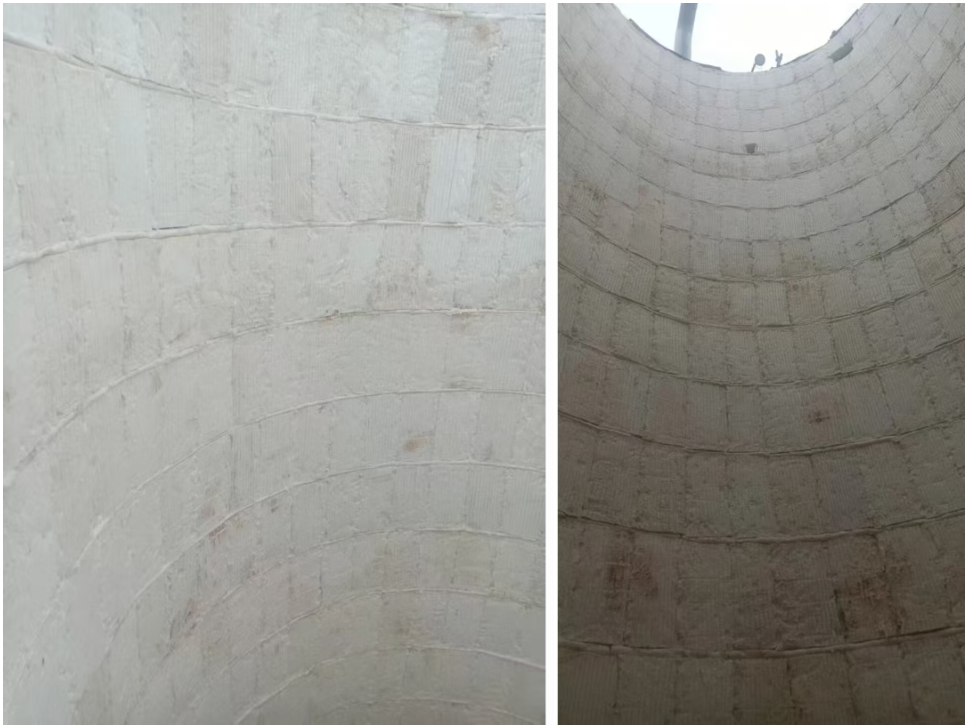
Post-retrofit surface temperature measurements confirmed significant reductions on both the furnace roof and wall.
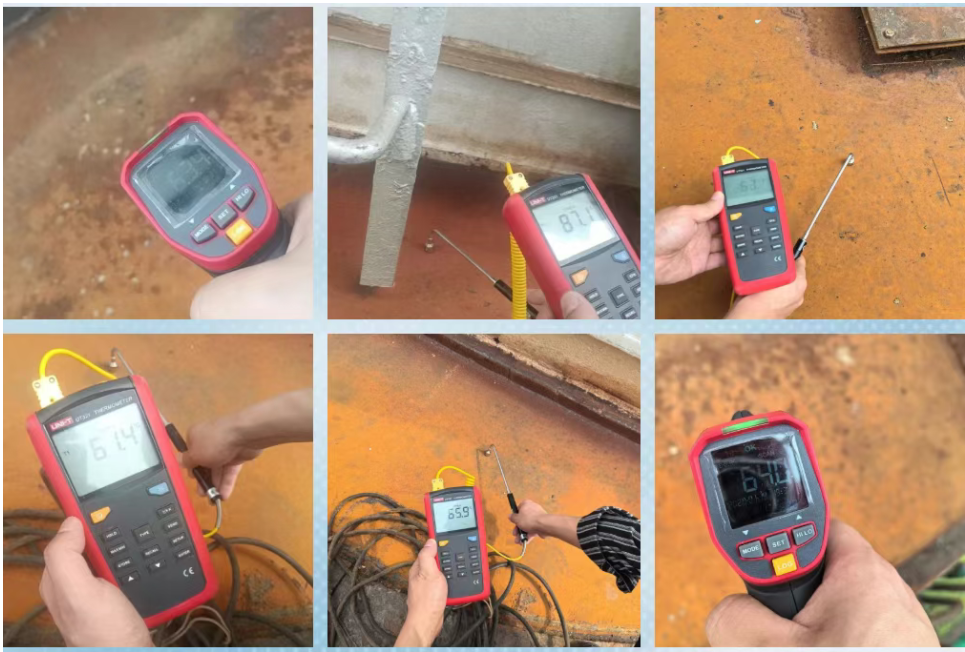
| Furnace Roof — After | 67.48°C |
| Temperature Reduction | 57.75°C |
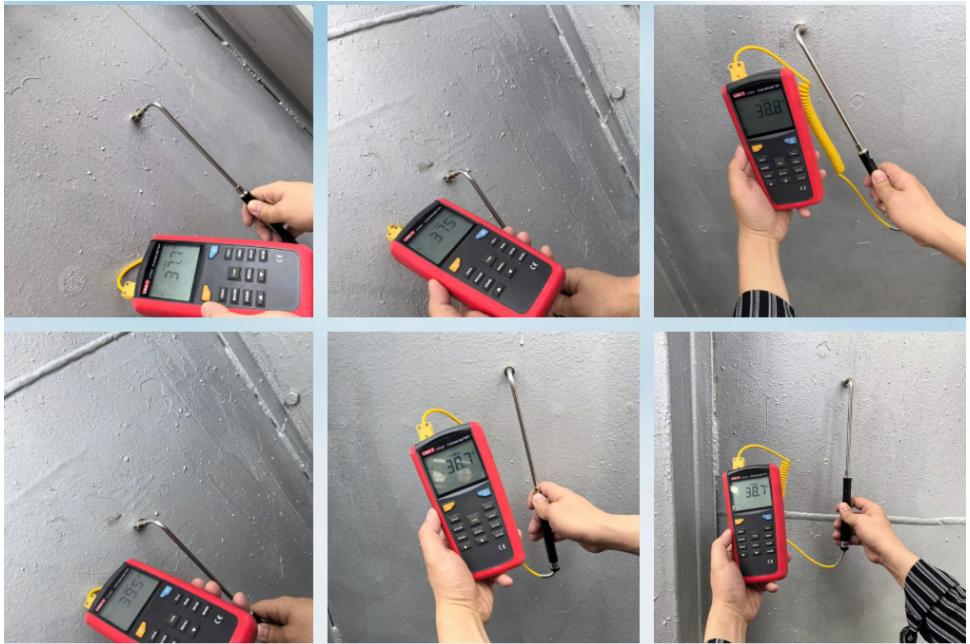
| Furnace Wall — After | 38.48°C |
| Temperature Reduction | 60.22°C |
Temperature measurements and energy-performance figures are based on the reported project operating conditions and evaluation method. Actual results may vary with furnace design, operating load, operating hours, energy prices, insulation configuration, installation quality, and ambient conditions.
BENEFIT 01 Reduced Surface Temperature Surface temperatures on the furnace roof and wall were significantly reduced after the retrofit. | BENEFIT 02 Reduced Heat Loss The composite insulation system helped reduce heat loss from the furnace shell. | BENEFIT 03 Improved Energy Efficiency Lower heat loss contributed to improved overall energy utilization, with reported annual energy savings of 352,908 kWh. |
BENEFIT 04 More Effective Insulation Profile The upgraded composite system improved surface-temperature control while reducing the total insulation thickness from 190 mm to 180 mm. | BENEFIT 05 Reported Fast Payback The retrofit was reported to deliver a payback period of approximately 2.15 years based on the reported annual energy savings and standard coal equivalent savings. | BENEFIT 06 Long-Term Thermal Stability The insulation system was designed to maintain reliable performance under continuous high-temperature operation. |
This project demonstrates the effectiveness of a composite insulation system combining 80 mm silica aerogel blanket and 100 mm ceramic fiber modules for high-temperature industrial furnaces where surface temperature control and energy efficiency are critical.
By upgrading conventional insulation with an aerogel composite system, industrial facilities can reduce surface temperatures, lower heat loss, and improve long-term thermal performance under continuous operation, with a reported payback period of approximately 2.15 years.
Actual performance depends on furnace design, operating temperature, insulation configuration, installation quality, and site-specific conditions.
APPLICATIONS | PRODUCTS |
Contact our technical team to discuss your insulation requirements.
Request a Quotation Download Technical Data