Modern coating and paint manufacturers are continuously seeking solutions that improve performance while supporting lightweight design, energy efficiency, and long-term durability. Traditional mineral fillers can increase coating density and may limit formulation flexibility when multiple performance targets must be achieved simultaneously.
As a result, hollow glass microspheres have become increasingly important in modern coating formulations. Their hollow spherical structure provides an effective approach to reducing coating weight while supporting thermal insulation performance and improving processing characteristics.
Today, hollow glass microspheres are widely utilized in thermal insulation coatings, industrial protective coatings, architectural paints, marine coatings, and other advanced coating systems where lightweight performance and thermal management are important considerations.
Many coating systems are expected to deliver multiple performance benefits at the same time, including:
Reduced coating weight
Improved thermal insulation performance
Increased energy efficiency
Enhanced durability
Better corrosion protection
Improved formulation stability
Higher coverage efficiency
Sustainable material utilization
Achieving all of these objectives within a single coating formulation can be challenging. Traditional fillers often contribute additional weight and may not significantly improve thermal performance. For this reason, lightweight filler technologies are becoming increasingly important in the coatings industry.
Reducing coating density can improve material efficiency and contribute to lightweight coating systems. Hollow glass microspheres help lower overall formulation weight while maintaining functionality.
The enclosed air spaces within hollow glass microspheres act as barriers to heat transfer. This characteristic supports the development of coatings designed for improved thermal management.
The spherical particle geometry can improve flow behavior, dispersion, and formulation consistency during manufacturing.
Lightweight fillers can contribute to optimized coating formulations while supporting application performance.
As energy-saving regulations and sustainability goals become more common worldwide, coating systems capable of improving thermal performance are receiving greater attention.
Hollow glass microspheres are commonly incorporated into:
Used to reduce thermal conductivity and support insulation performance in industrial and commercial environments.
Applied in protective systems where durability and environmental resistance are important requirements.
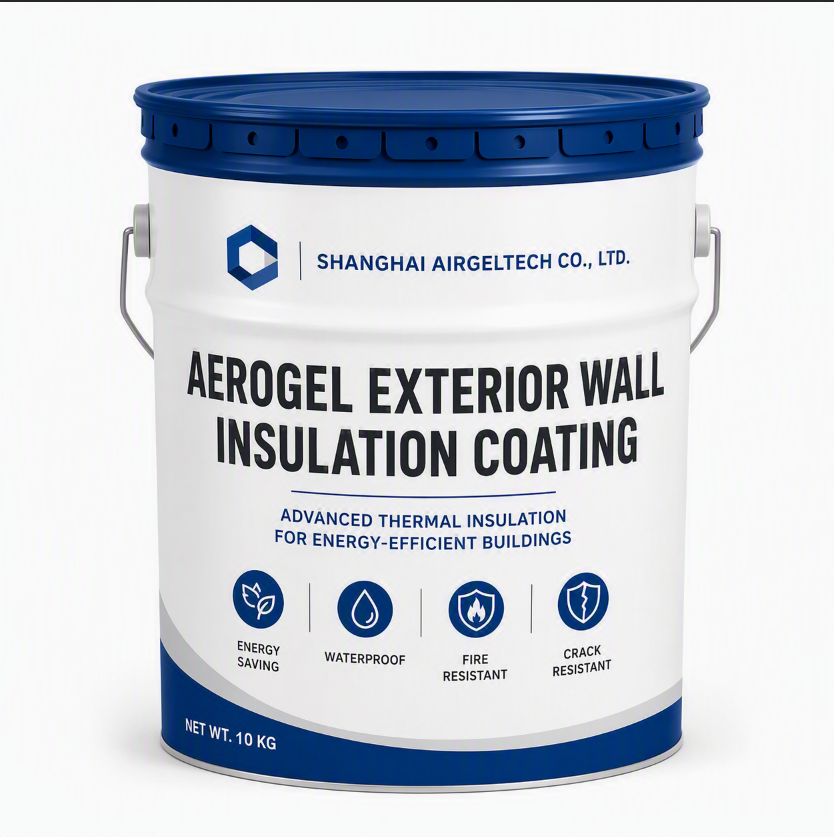
Used in building coating systems designed to improve energy efficiency and thermal performance.
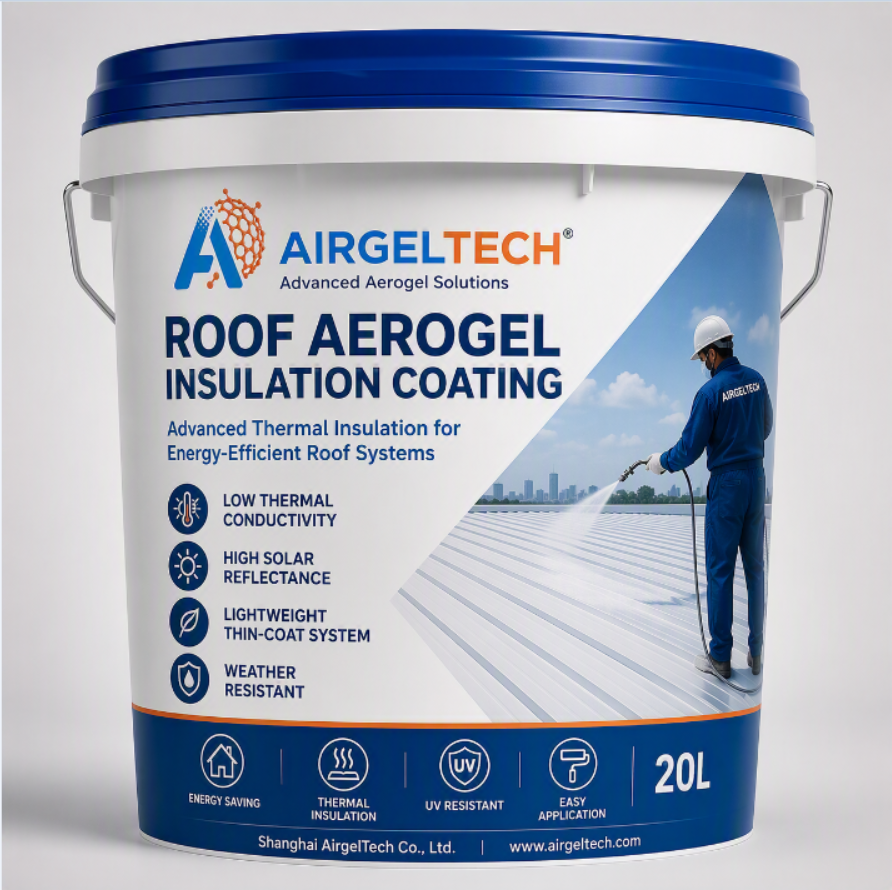
Often incorporated into roof coatings designed to reduce heat absorption and support temperature control.
Useful in applications where weight reduction and long-term performance are important considerations.
Integrated into protective coating systems used on industrial assets and infrastructure.
Used in specialty coating systems requiring lightweight performance and thermal management characteristics.
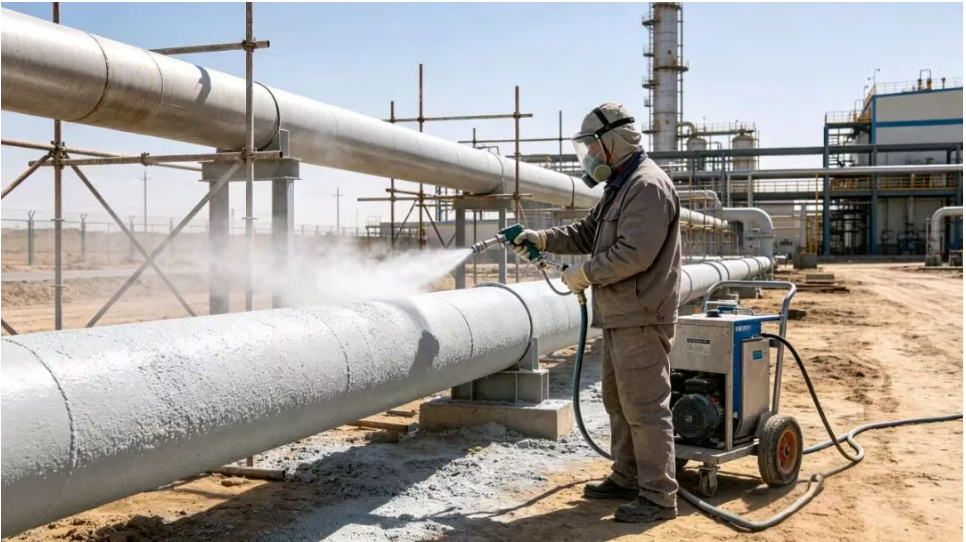
Industrial equipment, tanks, vessels, and process systems often require coatings that help reduce heat transfer and improve operational efficiency. Hollow glass microspheres can be incorporated into coating systems designed to support thermal management objectives.
Roof coating systems frequently aim to reduce building heat gain while maintaining long-term weather resistance. Lightweight fillers can contribute to the development of coatings that support energy-saving building designs.
Modern building coatings increasingly focus on sustainability and energy efficiency. Hollow glass microspheres can help support lightweight coating formulations intended for exterior walls, roofing systems, and commercial buildings.
Marine environments require coating systems capable of operating under challenging conditions. Lightweight fillers may contribute to coating formulations used in marine and offshore applications where weight reduction and durability are important.
Pipelines, storage facilities, manufacturing equipment, and processing systems often require protective coatings that combine durability with thermal management performance.
Applications can be found across a wide range of industries, including:
Architectural coatings
Exterior wall coatings
Roof coatings
Energy-saving paint systems
Equipment protection coatings
Tank coatings
Pipeline coatings
Process facility coatings
Marine protective coatings
Offshore platform coatings
Corrosion-resistant systems
Automotive coatings
Rail transportation coatings
Lightweight specialty coatings
Industrial facility coatings
Protective coating systems
Thermal management applications
Depending on formulation design and application objectives, hollow glass microspheres may contribute to:
Lower coating density
Reduced overall formulation weight
Improved thermal insulation performance
Lower thermal conductivity
Enhanced formulation efficiency
Improved flowability and dispersion
Better dimensional stability
More consistent processing performance
Improved coating coverage efficiency
Long-term durability
Related coating and insulation application areas include:
Every coating formulation has unique requirements. Factors such as thermal insulation performance, density targets, durability expectations, environmental exposure, processing methods, and end-use conditions should all be considered during material selection.
Whether you are developing thermal insulation coatings, architectural paints, roof coatings, industrial protective systems, anti-corrosion coatings, or marine coatings, selecting appropriate lightweight filler technologies can play an important role in achieving your performance objectives.
If you are evaluating lightweight filler solutions for coating and paint applications, technical consultation can help identify the most suitable approach based on your project requirements and formulation goals.
Contact Us